
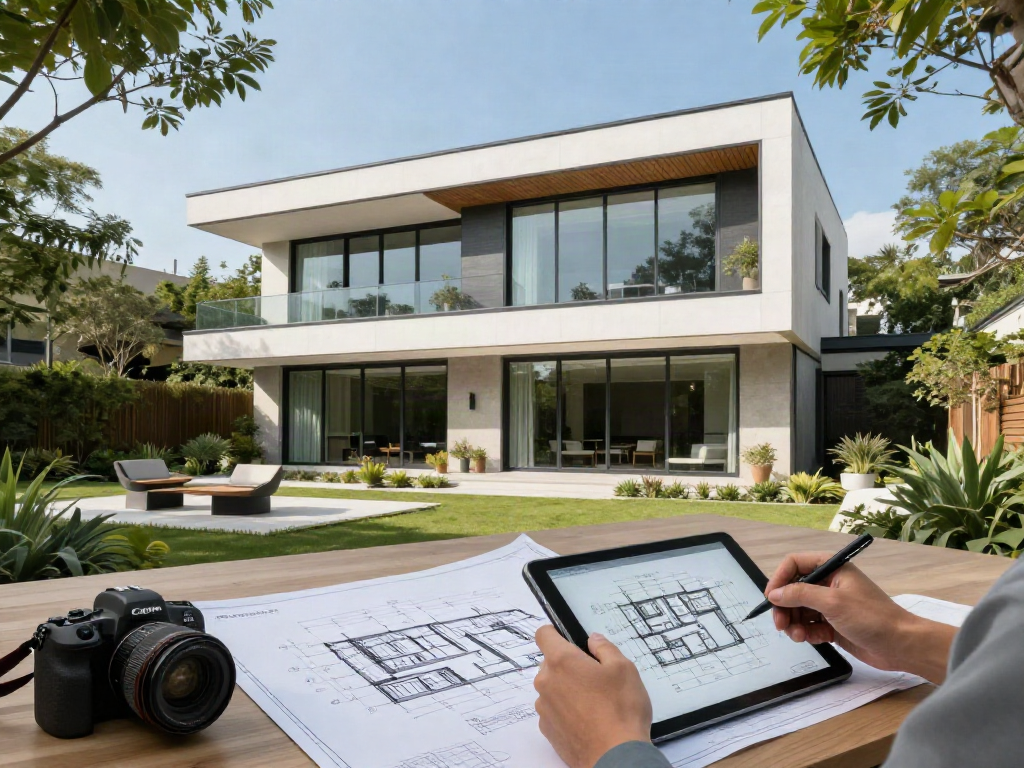
Emerging Trends in Modern Architecture for 2026
As we move closer to 2026, the field of architecture is poised for transformative changes shaped by evolving aesthetics, sustainability initiatives, and technological advancements. Home design is at the forefront of this evolution, where architects and designers are reimagining spaces to align with contemporary values and user needs. As you consider your options, https://rokok88.net offers valuable insights into modern home architectural trends.
Key Aesthetic Shifts in Home Design
Today's homebuyers are increasingly drawn to designs that embody minimalism and functionality while showcasing personal style. In 2026, we expect to see a shift towards the use of organic shapes, fluid transitions between indoor and outdoor spaces, and an emphasis on natural materials that echo environmental consciousness. The integration of biophilic design, which promotes a connection to nature, is likely to enhance residential spaces, allowing for a sense of tranquility and well-being.
Innovations in Sustainable Building Materials
The construction industry is progressively recognizing the significance of sustainable materials. Innovations such as hempcrete, bamboo, and recycled plastics are emerging as viable alternatives to traditional materials. By 2026, architects will increasingly incorporate these materials to reduce carbon footprints and improve the overall sustainability of their designs. Furthermore, advancements in prefabrication techniques will allow for more efficient use of resources and enhanced building performance.
Technological Advancements Shaping Architecture
Technology plays a pivotal role in modern architecture, transforming how buildings are designed, constructed, and managed. The rise of Building Information Modeling (BIM), augmented reality (AR), and virtual reality (VR) will enable architects to visualize their designs in real-time, enhancing collaboration with clients and teams. By 2026, we can expect these technologies to become standard practice, allowing for more efficient project delivery and reduced costs.
Understanding User Preferences in Home Design
Architects and designers must remain attuned to the preferences of modern homebuyers to create spaces that resonate with their lifestyles. Understanding user expectations is crucial in crafting homes that blend aesthetics with functionality.
Modern Homebuyer Expectations for 2026
The modern homebuyer seeks spaces that not only offer comfort but also align with their values. This includes a preference for energy-efficient homes equipped with smart technology that promotes sustainability and convenience. Aspects like open floor plans, multifunctional rooms, and adaptable spaces will remain popular among buyers looking for flexibility in their living environments.
Importance of User-Centric Design Elements
User-centric design emphasizes creating environments tailored to the needs and habits of the occupants. By adopting a design approach that prioritizes user experience, architects can ensure their creations promote ease of use and enhance the quality of life. Features like natural light optimization, ergonomic designs, and personalized spaces will be critical elements in future home designs.
Utilizing Feedback for Better Architecture
Involving end-users in the design process has become increasingly important. Architects can gather insights through surveys, focus groups, and feedback sessions to grasp the desires and challenges faced by homeowners. This feedback loop will empower architects to make informed decisions that result in buildings that truly serve their communities.
The Role of Sustainability in Future Architecture
Sustainability is no longer an afterthought in architectural design; it is a foundational element that drives innovation. As environmental concerns continue to escalate, architects must integrate sustainable practices into their work to address climate change and resource scarcity.
Integrating Eco-Friendly Features into Designs
Architects will increasingly adopt eco-friendly features into their designs, such as green roofs, rainwater harvesting systems, and energy-efficient HVAC systems. These features not only reduce environmental impact but also enhance the overall value of properties as buyers become more aware of sustainability issues.
Effective Use of Renewable Resources
By harnessing renewable resources, such as solar energy and wind power, architects can create buildings that are less reliant on non-renewable energy sources. The integration of solar panels, wind turbines, and geothermal heating solutions will become common practices, contributing to a building's overall energy independence.
Case Studies of Sustainable Architectural Projects
Examining successful sustainable architectural projects provides valuable insights into best practices. Case studies from leading architectural firms illustrate how innovative designs can incorporate sustainability without sacrificing aesthetic appeal. From passive house designs in Germany to regenerative communities in Scandinavia, these examples showcase that sustainability is not only necessary but also feasible in modern architecture.
Architectural Influence on Community and Society
The impact of architecture extends beyond the individual home; it shapes communities and influences social interaction. Understanding this influence is essential for designing spaces that foster engagement and a sense of belonging.
Designing Spaces for Increased Engagement
Architects are increasingly tasked with creating public spaces that promote community interaction. Features such as outdoor gathering spaces, community gardens, and public art installations will become focal points in urban design, encouraging social engagement and connectivity among residents.
Architectural Adaptations in Urban Environments
As urban areas continue to evolve, architects must adapt their designs to address changing demographics and social needs. Mixed-use developments and transit-oriented designs will be crucial in creating vibrant neighborhoods that cater to a diverse population. These developments will prioritize walkability and accessibility, making urban living more desirable.
Impact of Community Needs on Design Choices
Understanding the unique needs of communities is fundamental for architects. Engaging with local stakeholders to identify cultural, social, and economic considerations can lead to designs that reflect the character and aspirations of the community. By building spaces that resonate with residents, architects can create a more cohesive and supportive environment.
Future-Proofing Your Architectural Practices
To remain relevant in the rapidly changing architectural landscape, professionals must adopt strategies that address emerging challenges and opportunities.
Strategies for Adopting Emerging Technologies
Architectural firms should invest in training and resources that facilitate the adoption of emerging technologies. By embracing tools such as AI-driven design software and advanced modeling techniques, architects can enhance productivity and stay ahead in a competitive market.
Building Resilience Against Climate Change
Climate resilience is becoming increasingly critical in architectural practice. Architects must incorporate adaptable strategies that prepare buildings for extreme weather events and long-term shifts in climate patterns. This includes designing for durability, energy efficiency, and the use of sustainable materials.
Long-Term Trends Shaping the Architectural Landscape
Architects should remain vigilant about long-term trends that will shape the industry. Factors such as changing lifestyle preferences, advances in technology, and heightened environmental awareness will influence design decisions. Keeping abreast of these trends will enable architects to create relevant and future-ready designs.
What are the key architectural trends for 2026?
Key trends expected to dominate architectural practices by 2026 include a focus on sustainable materials, smart home technology integration, and designs that encourage community interaction. As these trends evolve, architects will need to ensure their designs reflect contemporary values and lifestyles.
How will technology impact architectural design?
Technology is set to revolutionize architectural design through enhanced visualization, increased collaboration, and improved efficiency in project delivery. Tools such as virtual reality and AI will enable architects to experiment and innovate in ways previously thought impossible.
What sustainable practices should architects adopt?
Architects should embrace practices that prioritize energy efficiency, use of sustainable materials, and regenerative design principles. By integrating these practices into their projects, architects can contribute to a more sustainable future while meeting client demands for eco-friendly living spaces.
How can architecture enhance community engagement?
Architecture can enhance community engagement by designing inclusive public spaces and promoting social interaction through thoughtful urban planning. Spaces that invite participation, such as parks, community centers, and outdoor areas, can foster a stronger sense of belonging and cohesion among residents.
What materials are becoming popular in modern design?
In modern design, materials such as bamboo, recycled metals, and reclaimed wood are gaining popularity due to their sustainability and aesthetic appeal. These materials not only enhance the look and feel of a space but also align with the growing demand for environmentally conscious building practices.