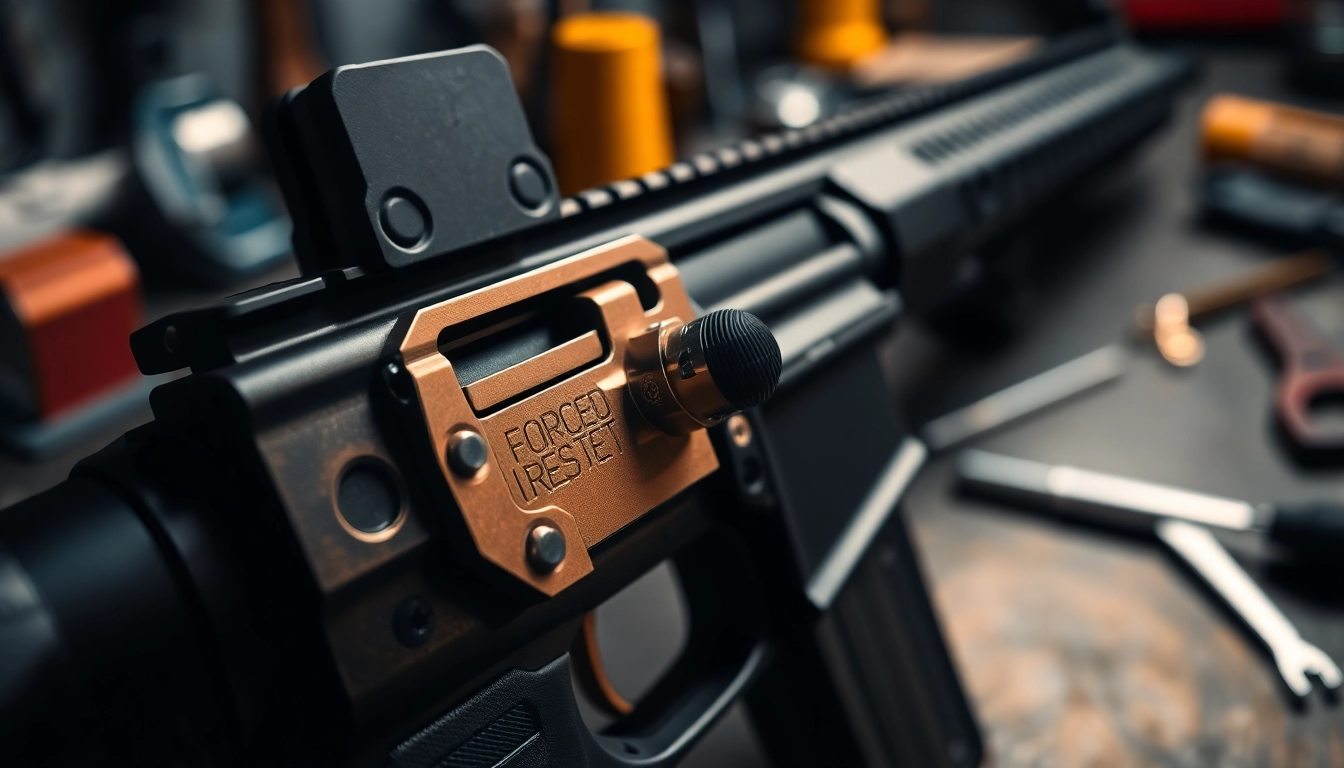
The Basics of Forced Reset Trigger
What is a Forced Reset Trigger?
A Forced reset trigger (FRT) is a specialized firearm trigger design that facilitates the rapid successive firing of rounds from a semi-automatic weapon, without requiring a conventional trigger pull for each shot. Unlike standard triggers, which require a complete release and reset after each pull, a forced reset trigger utilizes a unique mechanism that actively resets the trigger as the firearm cycles, allowing for quicker follow-up shots.
How Does a Forced Reset Trigger Work?
The operation of a Forced reset trigger is predicated on the mechanics of the firearm itself. When a shooter pulls the trigger, the weapon discharges a round, and the cycling action of the firearm helps to reset the trigger almost instantaneously. This means that as soon as the shooter releases the trigger, it moves back into a position ready for another pull, effectively cutting down response time. This mechanism allows for firing at a rate similar to fully automatic firearms, in a legally acceptable manner, since the shooter still needs to physically pull the trigger for each shot.
Legal Status of Forced Reset Trigger
The legal status of Forced reset triggers is complex and varies by jurisdiction. Under federal law, FRTs are not classified as machine guns; hence, they remain legal for civilian use. State laws, however, can diverge significantly, with some states imposing strict regulations or outright bans on forced reset triggers. It is crucial for potential buyers to familiarize themselves with their local laws to ensure compliance and avoid legal repercussions. For additional details, you can visit this Forced reset trigger category page.
Benefits of Using a Forced Reset Trigger
Enhanced Shooting Speed and Precision
One of the primary advantages of using a Forced reset trigger is the enhanced shooting speed it offers. For both competitive shooters and those practicing tactical drills, the ability to fire multiple rounds in rapid succession without the delay of resetting the trigger can significantly improve performance. This increased speed can be especially beneficial in competitive shooting scenarios, where fractions of seconds can be the difference between victory and defeat. Furthermore, the precise mechanics of the FRT contribute to better accuracy, allowing shooters to maintain control while shooting quickly.
Improved User Experience with Reduced Fatigue
For many shooters, prolonged use of traditional triggers can lead to fatigue and discomfort. A Forced reset trigger reduces the effort required to cycle through shots. By simplifying the shooting process, shooters can engage in target practice or competitions for extended periods without experiencing the normal hand fatigue associated with continuous trigger pulls. Additionally, this ergonomic advantage makes the forced reset trigger an appealing option for novice shooters, improving their overall experience with firearms.
Compatibility with Popular Firearms
Most Forced reset triggers are designed to be compatible with popular firearm platforms such as the AR-15, Glock handguns, and various other semi-automatic configurations. This widespread compatibility means that many firearm enthusiasts can upgrade their existing weapons easily, adding enhanced functionality without needing to invest in new firearms or undergo extensive modifications.
Installation and Maintenance of Forced Reset Trigger
Step-by-Step Installation Guide
Installing a Forced reset trigger typically involves several key steps, which should be carefully followed to ensure proper function:
- Ensure Safety: Before beginning, always unload your weapon to avoid accidental discharge.
- Disassemble the Firearm: Follow the manufacturer’s instructions to disassemble the firearm and access the trigger mechanism.
- Remove the Old Trigger: Detach the existing trigger assembly, taking care to note how all components fit together for reassembly.
- Install the FRT: Position the Forced reset trigger in the designated space, securing it in accordance with the provided instructions.
- Reassemble the Firearm: Carefully put the firearm back together, ensuring all components are securely in place.
- Perform Function Tests: Conduct a function test in a safe manner to ensure the trigger operates as intended.
Maintenance Tips for Longevity
Regular maintenance is crucial for the longevity of a Forced reset trigger. Here are some key tips:
- Clean Regularly: Dirt and debris can hinder the trigger's operation. Clean the trigger assembly and surrounding areas regularly.
- Lubricate Components: Apply a light coat of appropriate lubricant to moving parts to minimize wear and ensure smooth operation.
- Check for Wear: Periodically inspect all parts for signs of wear and replace components as necessary.
Common Issues and Troubleshooting
Like any mechanical device, Forced reset triggers can experience issues. Common problems may include:
- Failure to Reset: This might be due to insufficient lubrication or misalignment. Ensure everything is lubricated and aligned correctly.
- Inconsistent Trigger Pull: This may result from dirt buildup. A thorough cleaning usually resolves this issue.
- Trigger Jamming: If the trigger jams, disassemble and clean the mechanism carefully to remove any obstructions.
Comparative Analysis: Forced Reset Trigger vs. Other Trigger Types
Binary Triggers vs. Forced Reset Trigger
Binary triggers and Forced reset triggers have similar functionalities but operate differently. A binary trigger allows the firearm to fire once upon pulling the trigger and again upon releasing it, whereas a Forced reset trigger resets automatically without needing to release it entirely. For many shooters, FRTs provide a simpler mechanism with less room for user error, while binary triggers can offer different shooting styles and trigger responsiveness.
Traditional Triggers: Pros and Cons
Traditional triggers are reliable and have been the standard for firearms for decades. However, they may lack the speed and efficiency of Forced reset triggers. Traditional triggers require more deliberate action, which can slow down firing rates. On the downside, they are often simpler in design, which may appeal to shooters who favor a more straightforward shooting experience. Ultimately, the choice will depend on individual preferences and shooting styles.
Choosing the Right Trigger for Your Needs
Selecting the most suitable trigger often boils down to the intended use. For competitive shooting, a Forced reset trigger or a binary trigger may be more advantageous; however, traditional triggers may suffice for casual shooting or home defense. Evaluating factors such as comfort, speed, and shooting style will guide your decision in choosing the right trigger type.
Future Trends in Trigger Technology
Innovations in Trigger Design
As technology continues to evolve, so too do potential innovations in trigger design. Future forced reset triggers may incorporate smart technologies that enhance safety features, improve feedback for users, or even offer customizable pulling weights for different shooting styles. Such advancements could lead to even greater precision and user satisfaction.
Potential Regulatory Changes
As forced reset triggers gain popularity, there may be increasing scrutiny from regulatory bodies. It is vital for enthusiasts to stay informed on any legislative changes that could affect the legality of forced reset triggers in various jurisdictions, and engage in dialogue with lawmakers about responsible firearm usage and ownership.
How to Stay Updated on Trigger Technology
To remain ahead of trends in trigger technology, gun owners should engage with relevant industry publications, forums, and attend trade shows whenever possible. Networking with other firearm enthusiasts and participating in online communities can provide valuable insights and updates about advancements in trigger systems and legislation.
Frequently Asked Questions
1. Are Forced reset triggers legal?
Yes, under federal law, Forced reset triggers are legal as they are not classified as machine guns. However, state laws may vary.
2. Can I install a Forced reset trigger myself?
Yes, installation can generally be done by users familiar with firearm mechanics, following a detailed guide to ensure safety and proper function.
3. Do Forced reset triggers affect accuracy?
Forced reset triggers can enhance accuracy due to faster follow-up shots, provided that users maintain proper shooting technique.
4. What maintenance does a Forced reset trigger require?
Regular cleaning and lubrication are essential, along with periodic inspections for signs of wear, to ensure optimal performance.
5. Are Forced reset triggers safe to use?
Yes, when used according to manufacturer instructions and maintained properly, Forced reset triggers are considered safe.