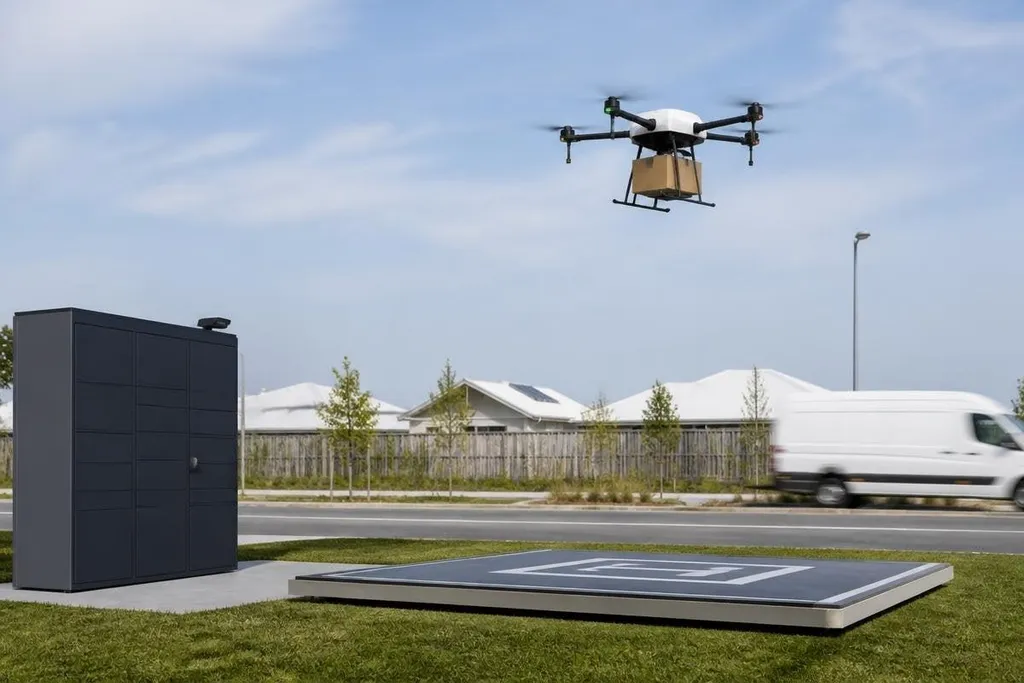
The Evolution of Technology
Technology has significantly changed over time, evolving through stages that have transformed human life and society. The improvement of tools, systems, and methods to meet human needs can be traced back to ancient civilizations. Today, we live in a world where Technology pervades every aspect of our lives, making complex tasks simpler and facilitating communication across vast distances. In this section, we will explore the historical milestones in technology, the key innovations that have shaped modern life, and the recent trends in technological development.
Historical Milestones in Technology
The journey of technology can be traced back to prehistoric times when early humans used simple tools such as stone hands and wooden spears. The agricultural revolution marked a significant milestone, allowing humanity to transition from nomadic lifestyles to settled farming communities. The invention of the wheel around 3500 BCE is another pivotal moment, enhancing transportation and trade.
Fast forward to the Industrial Revolution in the 18th and 19th centuries, which introduced mechanization and mass production. This era saw the development of steam engines and spinning machines, revolutionizing industries like textiles and transport. The advent of electricity in the late 19th century led to new technologies, including the electric light bulb and telegraph, fostering communication and connectivity.
Key Innovations That Shaped Modern Life
In the 20th century, various inventions drastically changed everyday life. The invention of the telephone by Alexander Graham Bell in 1876 made instantaneous communication possible, effectively shrinking the world. Further innovations, such as the radio and television, transformed entertainment and news dissemination, while personal computing and the internet revolutionized access to information.
The introduction of smartphones has further pushed the boundaries of technology, granting individuals unprecedented power at their fingertips. Social media platforms have created a new paradigm for communication and interaction, blurring the boundaries between personal and public life.
Recent Trends in Technology Development
Recent years have witnessed accelerating trends such as artificial intelligence (AI), machine learning, and big data analytics. These technologies are revolutionizing industries by enabling businesses to derive actionable insights from vast datasets. Emergent fields like quantum computing promise unprecedented processing capabilities and efficiencies, while biotechnology is informing healthcare advancements that personalize medicine and enhance longevity.
Furthermore, the growing emphasis on sustainable technologies aims to mitigate environmental impacts. Innovations in renewable energy sources such as solar and wind are reshaping energy consumption patterns and reducing dependence on fossil fuels.
Applications of Technology in Daily Life
As technology advances, its applications in daily life continually expand, enhancing convenience, efficiency, and connectivity. From communication to healthcare, technology influences nearly every aspect of modern living.
Technology in Communication and Connectivity
Communication technology has transformed how we interact with one another. Instant messaging, video conferencing, and social media allow individuals to maintain connections regardless of geographical barriers. Platforms such as Zoom and Slack have become essential tools for remote work, fostering collaboration and productivity.
The proliferation of smartphones has furthermore enhanced communication accessibility. With applications that cater to diverse needs, individuals can now connect globally, conduct business, or share experiences with ease.
Influence of Technology on Health and Education
Technology's impact on health cannot be overstated. Telemedicine and wearable health technology enable individuals to monitor their health proactively, improving access to healthcare services and encouraging preventative care. Advanced diagnostic tools and AI-driven systems assist healthcare professionals in making faster and more accurate decisions, improving patient outcomes.
In education, technology has transformed traditional learning environments. Online learning platforms and digital resources enable personalized learning experiences, catering to various learning styles. eLearning has become especially vital, providing access to education for individuals in remote or underserved areas.
Impact of Technology on Business Practices
In the realm of business, technology has redefined how companies operate. The rise of e-commerce has opened new marketplaces, allowing businesses to reach a global audience with minimal overhead. Automated solutions streamline processes, reducing costs and enhancing efficiency. Customer relationship management (CRM) systems provide insights into consumer behavior, enabling businesses to tailor their services and improve customer satisfaction.
Moreover, the integration of AI and machine learning in business analytics offers predictive capabilities previously unattainable, helping organizations make data-driven decisions that can enhance competitiveness and profit margins.
Challenges Associated with Technology
Despite the numerous advantages that technology brings, it introduces challenges that society must navigate. These challenges encompass privacy and security concerns, technological dependency risks, and the environmental impact of technology production.
Privacy and Security Concerns
The increasing reliance on digital technology raises significant privacy and security issues. Data breaches and identity theft have become prevalent as malicious actors exploit vulnerabilities in digital frameworks. Individuals and organizations must prioritize cybersecurity measures to protect sensitive information and maintain trust. Regulations like the General Data Protection Regulation (GDPR) aim to safeguard personal data, yet compliance remains a challenge for many businesses.
Technological Dependency and Its Risks
As society becomes more reliant on technology, the risks associated with this dependency grow. Over-reliance can lead to decreased problem-solving skills and diminished interpersonal interactions. Furthermore, technology failures can disrupt daily routines and business operations. As such, fostering a balance between utilizing technology and engaging in traditional methods of communication and problem-solving is vital.
Environmental Impact of Technology Production
The production and disposal of technology products have substantial environmental consequences. E-waste, generated from discarded electronic devices, poses significant challenges for global waste management systems. Efforts to utilize sustainable materials and promote recycling are crucial for mitigating environmental harm. Initiatives aimed at transitioning to a circular economy, where resources are reused and recycled, provide a path toward sustainable technology practices.
Innovations in Technology
The landscape of technology continues to evolve rapidly, driven by innovation. Emerging technologies are poised to redefine industries and societal structures in the coming years.
Emerging Technologies: What’s Next?
Emerging technologies such as blockchain, augmented reality (AR), and virtual reality (VR) are gaining momentum. Blockchain technology enhances transparency in transactions, potentially transforming industries like finance, supply chain management, and more. Meanwhile, AR and VR offer immersive experiences that can revolutionize fields like entertainment and education.
The Internet of Things (IoT) is another prominent trend, connecting devices to the internet and enabling seamless communication. Smart homes and wearable devices exemplify IoT's potential, promoting convenience and energy efficiency.
The Role of AI and Machine Learning in Future Technology
AI and machine learning are at the forefront of technological innovation. These technologies enable systems to learn from data, making decisions and enhancing efficiencies autonomously. As AI continues to evolve, its applications will expand across industries, from healthcare diagnostics to autonomous vehicles, creating both opportunities and ethical considerations regarding decision-making processes.
Case Studies of Successful Technology Implementation
Examining case studies of successful technological implementation highlights best practices and innovative solutions. For instance, companies adopting cloud computing have reported improved scalability and reduced costs. In manufacturing, automation technologies have enhanced operational efficiency while ensuring quality control.
These case studies underscore the importance of a strategic approach to technology implementation, focusing on aligning technology solutions with organizational objectives to achieve maximum impact.
Evaluating Technology Performance
The continual evolution of technology necessitates a framework for evaluating performance. Robust evaluation metrics enable organizations to assess the effectiveness of technology solutions and make informed decisions regarding future investments.
Metrics for Measuring Technology Success
Key performance indicators (KPIs) tailored to specific technology applications provide insight into their success. Common metrics include user adoption rates, operational efficiency improvements, and cost savings. By consistently monitoring these indicators, organizations can gauge the return on investment (ROI) and identify areas for improvement.
User Experience in Technology Design
Designing technology with user experience (UX) in mind is crucial for maximizing usability and satisfaction. User-centered design approaches involve gaining insights from users to create products and services that meet their needs effectively. Usability testing and iterative design play significant roles in refining technology solutions, ensuring that they resonate with end users.
Future Directions for Technology Assessment
As technology continues to advance, future assessments will need to incorporate qualitative and quantitative evaluations. Understanding user sentiments, ethical implications, and long-term sustainability will shape how technology performance is analyzed. Organizations that embrace comprehensive assessment strategies will be better positioned to adapt and thrive in an increasingly digital world.