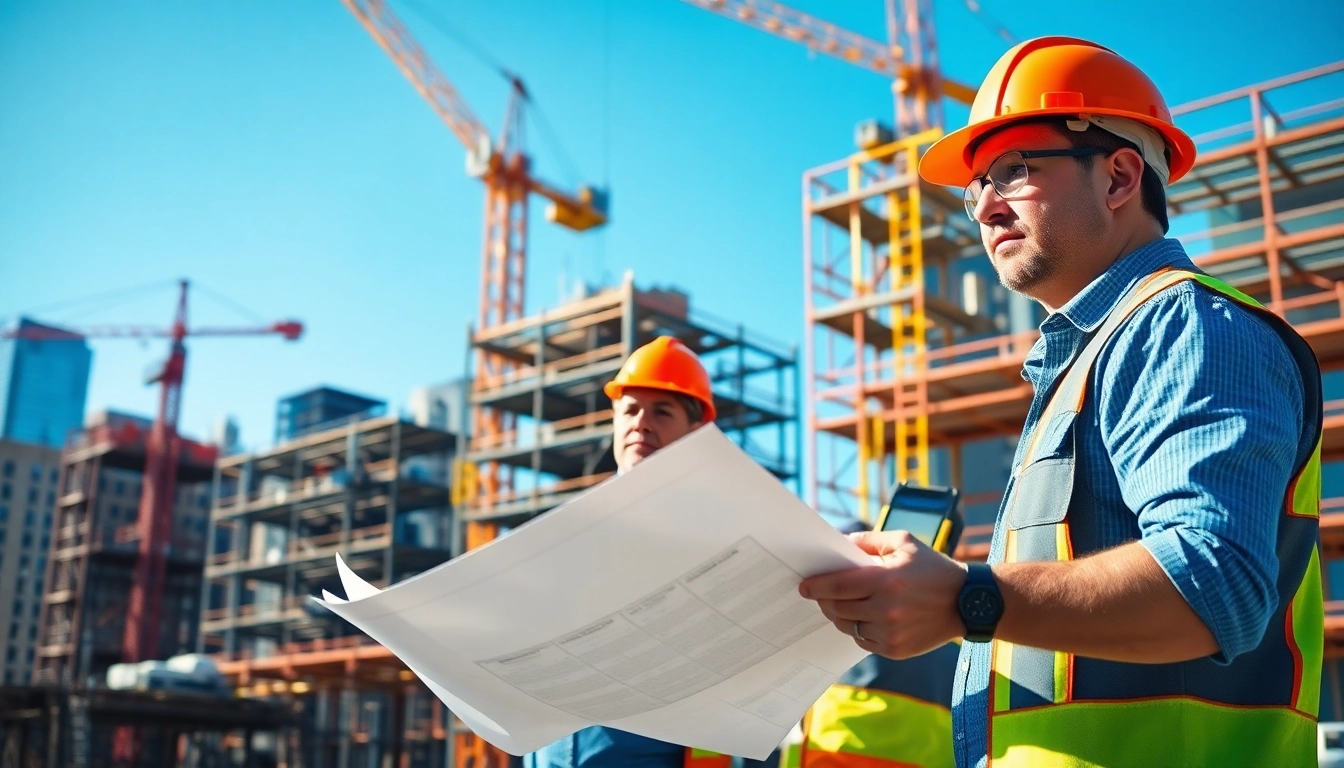
Understanding the Role of a New York City General Contractor
Definition and Responsibilities
A New York City General Contractor is essential in managing construction projects from inception to completion. Their primary responsibilities encompass overseeing the entire construction process, including hiring subcontractors, procuring materials, coordinating schedules, and ensuring compliance with local building codes and regulations. General contractors act as the main point of communication between property owners, architects, engineers, and various subcontractors, aligning diverse interests towards a unified goal of successful project delivery.
Importance in Construction Projects
The role of a general contractor is vital to ensuring that construction projects proceed smoothly and efficiently. They not only bring technical expertise but also enhance productivity by managing resources effectively. In a bustling environment like New York City, where the skyline is continually evolving, the importance of a skilled general contractor cannot be overstated. They mitigate risks associated with construction delays, budget overruns, and safety concerns, contributing to high-quality outcomes. Moreover, their ability to navigate the complexities of urban construction sites allows for innovative solutions tailored to the unique challenges presented by dense urban environments.
Regulatory Requirements in NYC
Operating as a general contractor in New York City requires adherence to stringent regulatory frameworks. Contractors must obtain a General Contractor Registration through the New York City Department of Buildings, which includes submitting an application, passing background checks, and providing necessary documentation. This regulatory environment ensures that only qualified professionals are licensed to handle the intricacies of construction within the city. Understanding these regulations is fundamental for contractors to maintain their license and avoid legal pitfalls, highlighting the importance of staying updated on the city's evolving construction laws.
How to Choose a Qualified New York City General Contractor
Assessing Credentials and Experience
When engaging a general contractor, verifying their credentials is crucial. Look for contractors who have been in the business for several years, as experience often correlates with better project outcomes. It's beneficial to review their educational background, specialties, and any certifications that indicate a commitment to quality and safety standards. Specializations in areas such as green building practices, historical preservation, or advanced technology integration can also be key indicators of a contractor's capability to manage your project effectively.
Evaluating Past Projects and References
Evaluating a contractor’s past project portfolio provides invaluable insight into their work quality and style. Request case studies and photos of completed projects similar to yours, and pay attention to overall aesthetics, design execution, and adherence to timelines. Follow up with references provided by the contractor; ask previous clients about their experiences regarding communication, responsiveness, and issues encountered during the project. This direct feedback can illuminate the contractor’s strengths and weaknesses and help you make an informed decision.
Checking License and Insurance Status
Before finalizing your choice, confirm that the contractor holds the necessary licenses and insurance. A valid license guarantees that the contractor adheres to all regulatory guidelines and has the requisite knowledge and skills. Insurance coverage is equally essential; it protects you from liabilities that may arise from accidents or damages during the project. Request proof of insurance and verify its current status to ensure you are adequately protected throughout the course of construction.
Common Challenges Faced by New York City General Contractors
Navigating Local Building Codes
New York City's extensive range of building codes can pose significant challenges for general contractors. These regulations dictate various aspects of construction, from structural integrity to accessibility requirements. A reputable contractor must possess a thorough understanding of these codes and keep abreast of any changes. Failure to comply can lead to costly delays, project alterations, or even legal issues. Therefore, continuous education and engagement with city agencies are crucial for contractors navigating this complex regulatory landscape.
Managing Project Timelines and Deadlines
Project management in New York City often requires handling joint ventures with multiple stakeholders, including labor unions, city officials, and subcontractors. Balancing these relationships to maintain project timelines presents an ongoing challenge. Effective project scheduling and adept time management strategies are essential. Utilizing construction management software can enhance tracking and organization, while regular communications and meetings can preempt potential scheduling conflicts.
Contending with Weather and Environmental Issues
The variable weather patterns in New York can create unforeseen delays and complications. From winter snowstorms to summer heatwaves, general contractors must develop flexibility in their scheduling and project timelines. Implementing comprehensive risk management strategies, such as contingency planning and buffer inclusion within timelines will help mitigate adverse weather impacts, ensuring projects remain on schedule. Sustainable building practices can also be encouraged to reduce environmental impacts, allowing for projects that are not only timely but also thoughtful to ecological considerations.
Best Practices for Collaborating with a New York City General Contractor
Establishing Clear Communication Channels
Effective communication is the backbone of any successful construction project. Establishing defined communication channels and regular check-ins can prevent misinterpretations and misunderstandings. Utilizing collaboration tools such as project management software can keep all parties informed about progress, changes, and potential issues. Meetings should be held regularly to review project milestones and address any concerns promptly, fostering an environment of transparency.
Setting Realistic Budgets and Timelines
Collaborating with your general contractor to establish a comprehensive budget and timeline is pivotal to project success. Both parties must agree on a detailed plan that outlines the scope of work, cost estimates, and timeline expectations. Utilizing cost-benefit analyses can help determine project feasibility and prioritize essential features without compromising quality. This mutual understanding and agreement will diminish the likelihood of disputes arising later in the project cycle.
Utilizing Technology and Project Management Tools
Incorporating advanced technology into the construction process can lead to enhanced efficiency and reliability. Employing software that facilitates budgeting, scheduling, and document management can streamline operations, making it easier to track project progress. Adoption of Building Information Modeling (BIM) can also provide detailed visualizations, helping all stakeholders participate more effectively in the project. These technological advancements ultimately save time, reduce costs, and improve overall project outcomes.
Future Trends in the General Contracting Industry in NYC
Embracing Sustainable Construction Practices
The construction industry is increasingly shifting towards sustainable practices as awareness of environmental issues grows. Green building standards, such as LEED certification, are becoming essential for contractors looking to attract environmentally conscious clients. Methods such as using recycled materials, energy-efficient designs, and sustainable sourcing of construction elements are gaining traction. General contractors must adapt their practices and educate themselves on sustainable methods to remain competitive and responsive to market demands.
The Rise of Smart Building Technologies
The integration of smart building technologies is revolutionizing the construction landscape. IoT devices, energy management systems, and automated controls are now commonly implemented into new constructions. These innovations not only enhance energy efficiency but also provide real-time data for building management, ensuring operational effectiveness. General contractors must embrace these technologies to offer modern solutions sought by clients.
Addressing Labor Market Challenges
The labor market in New York City faces skilled labor shortages, especially in the construction sector. Addressing this challenge requires strategic partnerships with training programs, apprenticeships, and educational institutions. General contractors can cultivate relationships with local unions and vocational schools, ensuring a steady influx of skilled workers. Additionally, investing in employee training and retention strategies will be necessary to build a competent workforce that can adapt to evolving construction demands.