Understanding GOTV Calling Services
In the ever-evolving landscape of political campaigns, the Get Out The Vote (GOTV) strategy stands out as one of the most critical components to ensure voter turnout. GOTV calling services play a pivotal role in mobilizing supporters, ensuring that they are informed and motivated to cast their votes on election day. As campaigns gear up for 2026, understanding the intricacies of GOTV calling services is essential for success. A well-structured GOTV campaign that begins with comprehensive data can dramatically improve the outreach process and foster greater voter engagement.
When exploring options, GOTV calling services provide comprehensive insights that equip campaigns with the tools needed for effective voter contact.
What are GOTV Calling Services?
GOTV calling services involve systematic outreach to potential voters, reminding them of upcoming elections, providing essential information about where and how to vote, and encouraging them to participate. These services can be executed through various methods, including phone calls, text messages, and automated voice messages. The primary goal is to motivate individuals to follow through on their intention to vote, thereby increasing overall turnout.
The Importance of Data in GOTV Strategies
Data is the backbone of effective GOTV strategies. Understanding who your voters are—demographically and geographically—enables campaigns to tailor their messages accordingly. Detailed voter profiles, captured through comprehensive voter files, allow campaigns to segment outreach efforts and create customized messaging. This targeted approach is significantly more effective than broad, generic communications. Access to accurate, up-to-date datasets ensures that every contact is relevant, increasing the likelihood of engagement.
How GOTV Services Engage Voters Effectively
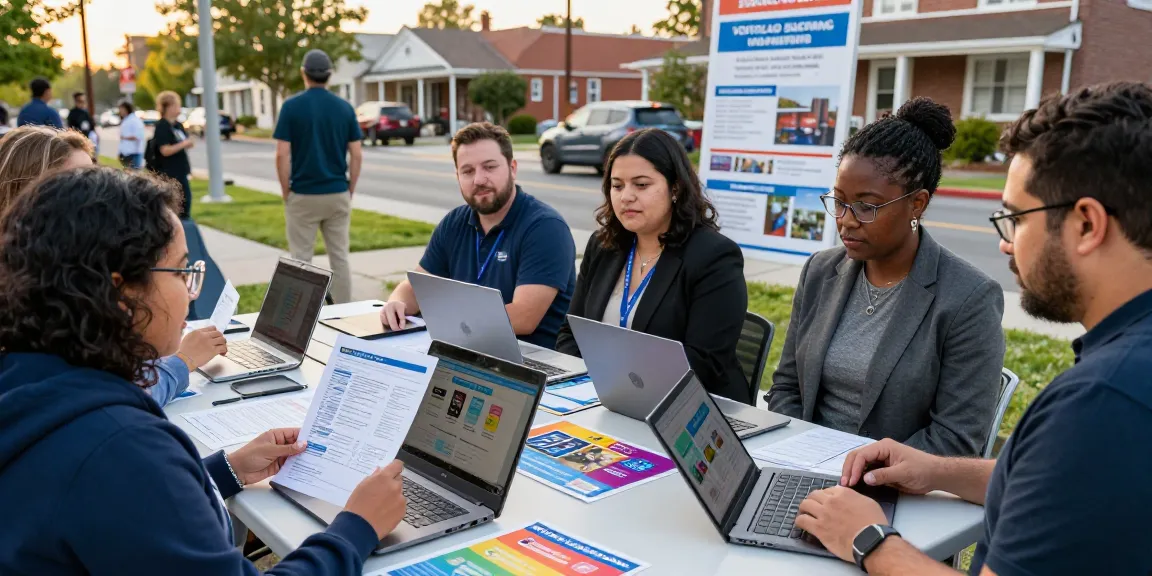
Engagement is key to a successful GOTV campaign. GOTV calling services employ various techniques to foster connections with potential voters. Friendly, well-scripted calls combined with personalized outreach significantly impact voter receptivity. Additionally, actively listening to voters during calls helps identify concerns or questions they may have, allowing campaign teams to address these points, which can build trust and rapport. Furthermore, technology such as predictive dialing software can streamline the process, maximizing outreach efficiency.
Setting Up Your GOTV Campaign
Choosing the Right Voter Data File
The cornerstone of a successful GOTV campaign lies in selecting the right voter data file. Campaigns must decide whether to start with a local district file or a more expansive state file depending on their objectives. For those targeting specific demographics or geographical areas, customized voter files can be crafted to hone in on particular segments of the population. By investing in quality data, campaigns can better allocate their resources and tailor their messaging for maximum impact.
Creating a Targeted Calling List
Once the appropriate voter data file is acquired, the next step is to generate a targeted calling list. This list should reflect the campaign’s strategic goals, whether it involves mobilizing early voters, engaging undecided voters, or educating infrequent voters. By narrowing the focus to specific groups, campaigns can develop more relevant and engaging messaging, ultimately improving response rates and voter turnout.
Effective Messaging and Communication Strategies
Crafting the right message is crucial in any GOTV effort. Effective communication strategies should include clear, concise information about polling locations, voting methods, and the importance of each individual’s vote. Additionally, it's vital to incorporate emotional appeals—stories about how voting impacts the community can enhance the motivational aspect. Utilizing a conversational tone during calls can also make voters feel valued and connected to the campaign.
Implementing GOTV Calling Services
Best Practices for Phone Banking
Phone banking remains a potent tool in GOTV efforts. To maximize effectiveness, campaigns should adhere to several best practices: ensure that callers are well-trained and knowledgeable about the candidate's platform, maintain a positive and professional demeanor, and utilize a structured script that allows for flexibility in conversation. Consistency in outreach efforts, particularly in the days leading up to the election, is key to reinforcing the campaign message and encouraging voter participation.
Using Technology for Efficient Outreach
Modern technology plays an essential role in improving GOTV calling services. Tools such as automated dialing systems, voter outreach software, and data analytics platforms can streamline processes and enhance campaign efficiency. Automation reduces the manual workload on volunteers and staff, allowing them to focus on engaging with voters rather than logistics. Additionally, utilizing analytics to track call outcomes can provide invaluable insights into the effectiveness of various outreach approaches.
Training Your Team for Success
The effectiveness of GOTV calling services largely depends on the competency and enthusiasm of the team executing them. Comprehensive training programs should be established to equip volunteers and staff with the necessary skills, including messaging techniques, handling objections, and understanding the voting process. Role-playing scenarios can also be beneficial, providing practical experience while fostering confidence among team members.
Measuring the Success of Your GOTV Efforts
Key Performance Indicators for GOTV Campaigns
To gauge the effectiveness of GOTV efforts, campaigns should establish clear key performance indicators (KPIs). These may include the number of voters contacted, engagement rates, responses to outreach efforts, and, ultimately, turnout rates among targeted demographics. By continuously monitoring these metrics, campaigns can adapt their strategies in real-time to ensure they remain impactful.
Evaluating Voter Engagement and Response Rates
Analyzing voter engagement starts with collecting data on how recipients responded to calls. Campaigns should track follow-up actions taken by voters, such as their likelihood to vote or reach out for more information. This evaluation can provide critical insights into which messaging resonates most effectively, allowing campaigns to fine-tune their approach.
Adjusting Strategies Based on Feedback
Feedback loops are essential for continuous improvement in GOTV campaigns. Based on responses and engagement rates, campaigns should be prepared to pivot their strategies, adjusting messaging, targeting, or outreach methods as needed. Flexibility ensures that campaigns remain relevant and effective, addressing voter concerns and maximizing turnout potential.
Future Trends in GOTV Calling Services
Innovations in Voter Outreach for 2026
The landscape of voter outreach is set to evolve significantly by 2026. With rapid advancements in technology, campaigns will likely adopt more innovative communication tools, such as virtual reality experiences that illustrate the voting process or artificial intelligence to personalize outreach efforts. These innovations can create more engaging, informative experiences for voters, ultimately driving participation rates higher.
The Role of Social Media in GOTV Efforts
As social media continues to dominate communication, its role in GOTV strategies will only grow. Campaigns will increasingly utilize platforms like Facebook, Twitter, and Instagram to disseminate vital information and engage with younger voters. Social media provides a unique opportunity to create viral content that motivates peers to share and discuss voting, enhancing community-wide turnout.
Emerging Technologies to Enhance Voter Engagement
Emerging technologies such as machine learning and big data analytics are poised to reshape GOTV services. These tools can help campaigns predict voter behavior more accurately, allowing for hyper-targeted outreach efforts. Furthermore, advancements in mobile technology mean that more voters can be reached directly through apps that provide real-time updates on their polling information and reminders to vote.
What are the best practices for GOTV calling services?
Best practices for GOTV calling services include effective scripting, regular training sessions for calling teams, utilizing technology for efficiency, and ensuring follow-ups for maximum voter engagement. Companies should also foster a friendly and approachable atmosphere during calls to build rapport with potential voters.
How can data improve GOTV calling outcomes?
Data plays a crucial role in improving GOTV calling outcomes by informing campaigns about voter demographics, preferences, and past voting behavior. With accurate data, campaigns can target outreach effectively, ensuring that messages resonate with individual voters, thereby increasing turnout rates.
What technologies are recommended for effective GOTV campaigns?
Recommended technologies for effective GOTV campaigns include automated dialing systems, voter outreach software, data analytics platforms, and social media management tools. These technologies enhance efficiency, streamline processes, and enable campaigns to gather real-time insights into their outreach efforts.
Why is voter engagement critical in elections?
Voter engagement is essential in elections because it drives turnout, influencing the outcome of races. Engaged voters are more likely to participate actively in the democratic process, making their voices heard and impacting policy decisions that affect their communities.
What trends should campaigns anticipate in 2026?
Campaigns should anticipate trends such as increased reliance on social media for voter outreach, advanced data analytics for targeting, and the adoption of innovative technologies to create engaging voter experiences. Keeping an eye on these trends will be crucial for campaign success in 2026.