Understanding Concrete Cleaning: The Basics
Concrete surfaces, though durable, are not impervious to the elements and wear over time. From driveways to sidewalks, concrete can gather dirt, stains, and moss, diminishing both its aesthetic appeal and functionality. Understanding concrete cleaning is crucial for maintaining these surfaces, ensuring they remain in excellent condition and contribute positively to the overall value of your property. Proper techniques and frequency can mean the difference between a surface that looks shabby and one that shines. If you're considering enhancing your concrete's appearance, concrete cleaning services can offer exceptional results.
What is Concrete Cleaning?
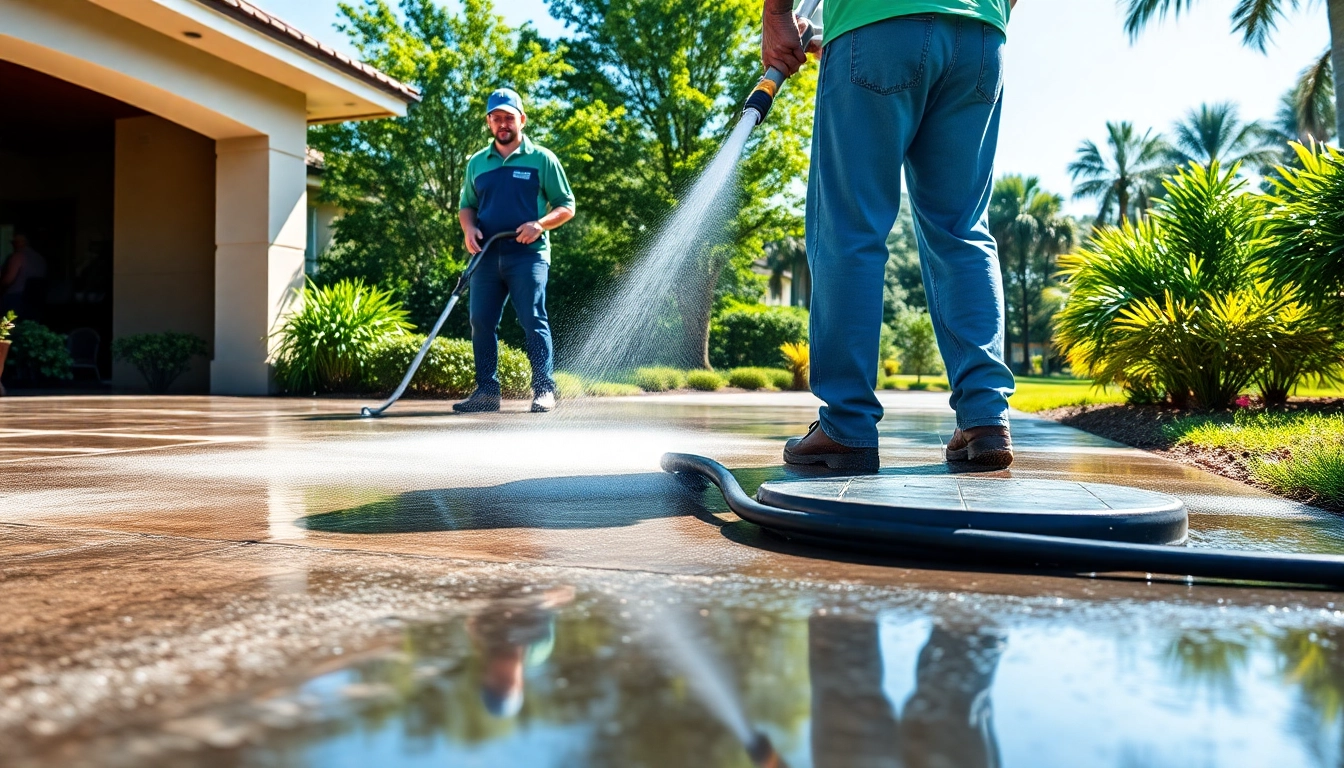
Concrete cleaning involves the removal of dirt, stains, and contaminants from concrete surfaces using various methods such as pressure washing, scrubbing, and chemical treatments. This process restores the surface's original appearance while extending its lifespan. The cleaning methodology chosen often depends on the type and extent of the stains present, as well as the surface texture.
Importance of Regular Concrete Maintenance
Regular maintenance of concrete surfaces is essential for aesthetic, functional, and safety reasons. Accumulated dirt, mold, or oil may not only make your property look unkempt but can also pose slipping hazards. Additionally, neglecting regular cleaning can lead to long-term damage, such as cracks and erosion, that may require costly repairs. Investing in periodic concrete cleaning helps preserve your surfaces, keeping them in optimal condition and enhancing your property's curb appeal.
Common Problems Faced with Dirty Concrete Surfaces
- Mold and Mildew: These thrive in damp conditions, causing discoloration and health risks.
- Oil Stains: Common in garages and driveways, oil can seep into the concrete, making removal increasingly difficult over time.
- Food and Beverage Spills: Restaurants or outdoor areas can suffer from stubborn stains if not cleaned promptly.
- Debris Build-Up: Leaves, dirt, and grime can create an uninviting area, detracting from your property's overall appeal.
Choosing the Right Techniques for Concrete Cleaning
Selecting the appropriate cleaning technique is vital to effectively restore your concrete surfaces without causing damage. Various methods cater to specific needs, ensuring comprehensive cleaning without compromising durability.
Pressure Washing vs. Soft Washing: What's Best?
Pressure washing utilizes high-pressure water jets to remove dirt and grime. This method is highly effective for tough stains and large areas. However, it may not be suitable for all concrete types, particularly if the surface is older or more fragile. Conversely, soft washing employs lower pressure coupled with specialized cleaning solutions, making it ideal for delicate surfaces or those with significant mold growth. Understanding these differences helps in choosing the right approach to best suit your concrete cleaning needs.
Effective Products and Tools for Concrete Cleaning
Using the right tools and products can enhance the effectiveness of your cleaning efforts. High-quality pressure washers, brushes, and eco-friendly cleaning agents specifically designed for concrete can yield superior results. Additionally, solutions containing bleach or citric acid can help tackle stubborn stains, although care should be taken to follow safety guidelines and manufacturer recommendations.
DIY Concrete Cleaning: Step-by-Step Guide
- Preparation: Clear the area of debris and furniture, and ensure there is good drainage.
- Pre-Treat Stains: Use a spray-on solution to tackle any stains that require extra attention.
- Pressure Wash: Using your pressure washer, clean the entire surface, maintaining even coverage and distance.
- Rinse Thoroughly: Ensure all cleaning agents are washed away to prevent residue.
- Seal (Optional): Consider applying a sealant to protect the surface from future stains.
Benefits of Professional Concrete Cleaning Services
Hiring professionals for concrete cleaning can save time and ensure high-quality results. Their expertise and advanced equipment can tackle stubborn stains and large areas more efficiently than most DIY efforts.
Why Hire Experts for Concrete Cleaning?
Professionals have the training and experience necessary to identify the best techniques and products for various types of stains. They understand the nuances of different concrete surfaces and can avoid damaging delicate features while ensuring thorough cleaning.
Cost-Effective Solutions and Long-Term Value
While the upfront cost of hiring professional cleaners may seem steep, this investment often saves money in the long run. Regular maintenance can prevent significant damage, thereby reducing repair costs and prolonging the life of your concrete surfaces. Well-maintained concrete can also enhance property value, making it a savvy investment.
Environmental Considerations in Concrete Cleaning
Today, many companies are adapting environmentally friendly cleaning practices. Utilizing eco-safe products and techniques not only ensures a safer workplace but also protects the surrounding environment from harmful chemicals. Opting for services that embrace sustainable practices can align with your values and those of potential customers.
Common FAQs about Concrete Cleaning
Understanding the ins and outs of concrete cleaning can help you make informed decisions. Here are some frequently asked questions that address common concerns.
How Often Should You Clean Your Concrete Surfaces?
The frequency of cleaning depends on factors like weather, location, and usage. As a general guideline, residential areas may require cleaning once or twice a year, while commercial properties may need it quarterly to maintain professional appearances.
What Equipment is Necessary for Effective Concrete Cleaning?
Essential equipment includes a pressure washer (or soft washer), various cleaning agents, brushes, and protective gear such as gloves and goggles. More sophisticated operations may also require surface cleaners or rotational nozzles to enhance efficiency.
Is Pressure Washing Safe for All Concrete Types?
Generally, most concrete can withstand pressure washing; however, older or more porous concrete may be prone to damage. Testing a small area before full application can determine the best pressure level to use.
Future Trends in Concrete Cleaning for 2025 and Beyond
The concrete cleaning industry is evolving rapidly, with advancements in technology and sustainability practices shaping its future. Here are some trends to watch for in the coming years.
Innovations in Cleaning Technologies
With advancements in cleaning technology, we can expect more efficient and powerful cleaning equipment that reduces water usage and enhances results. Integrated solutions that include pre-treatment and rinsing in a single system are emerging as industry standards.
Emerging Eco-Friendly Practices
As consumer awareness about environmental issues grows, the demand for eco-friendly cleaning solutions will continue to rise. Companies are increasingly adopting biodegradable cleaning agents and techniques that minimize waste and conserve water.
The Growing Importance of Sustainable Cleaning Solutions
Consumers are gravitating towards businesses that prioritize sustainability. Implementing practices such as water reclamation systems can not only reduce environmental impact but also cut operational costs, creating a win-win situation for both businesses and clients.