Understanding Electric Chain Hoist Cranes
In the modern industrial landscape, efficiency, safety, and precision are paramount in lifting operations. Electric chain hoist cranes represent a significant advancement in this space, revolutionizing how heavy loads are handled across various sectors. These innovative tools combine the robust mechanics of traditional chain hoists with the power of electric motors, allowing for streamlined lifting processes that can significantly enhance productivity. When exploring options, electric chain hoist cranes provide comprehensive insights into effective lifting solutions.
What is an Electric Chain Hoist Crane?
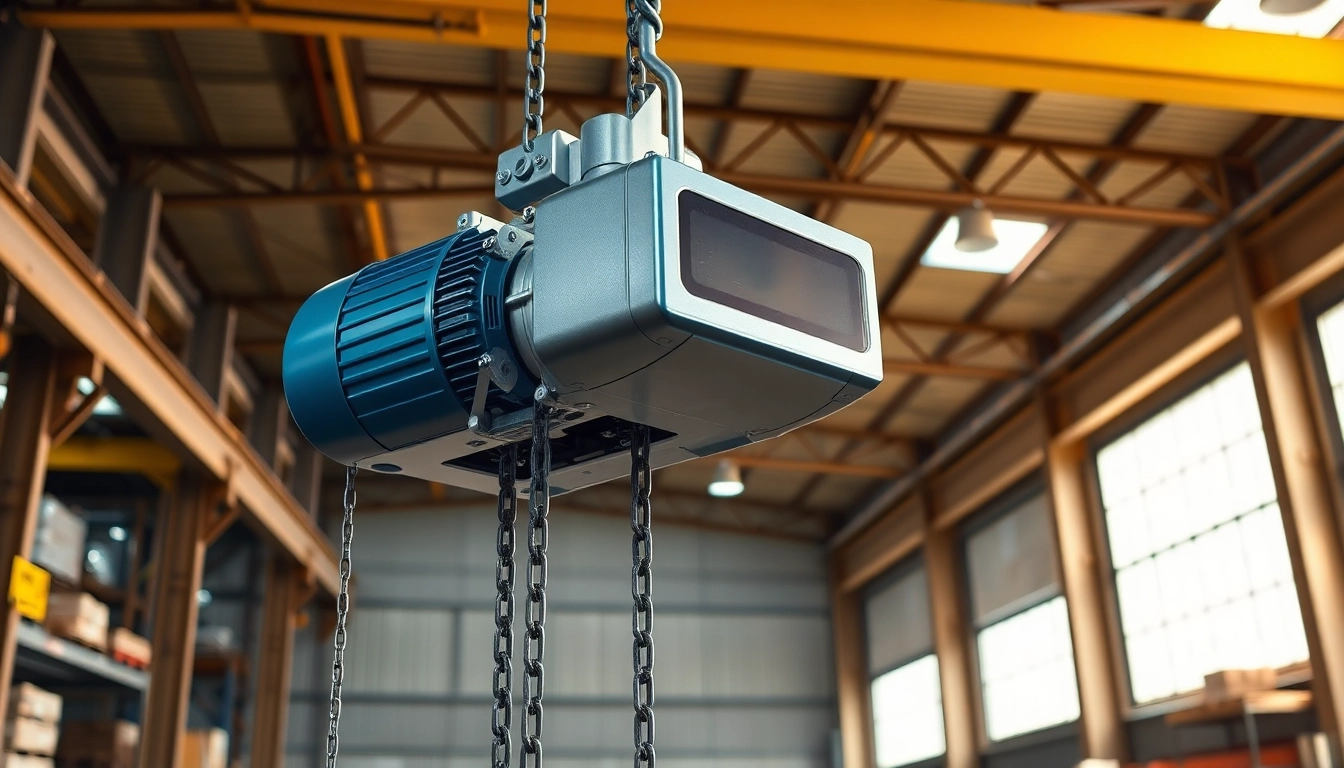
Electric chain hoist cranes are mechanical devices used for lifting and lowering heavy loads in industrial settings. They consist of a chain, a motor, and often a trolley that moves along a beam or track. The electric motor drives the lifting mechanism, allowing for greater efficiency and ease of use compared to manual hoists. Typically deployed in factories, warehouses, and construction sites, these cranes can handle weights ranging from a few hundred pounds to several tons, making them versatile tools for various applications.
Key Components of Electric Chain Hoist Cranes
Understanding the key components of electric chain hoist cranes is crucial for both operation and maintenance. Here are the primary parts:
- Electric Motor: This is the powerhouse of the hoist, converting electrical energy into mechanical energy to lift and lower loads.
- Chain Mechanism: The chain allows for vertical movement and is designed to withstand heavy loads over time.
- Control System: Most electric chain hoists come with an easy-to-use control system, often with options for remote control.
- Trolley: Many models include a trolley that moves along a rail, allowing the hoist to cover a larger area.
- Safety Features: These often include overload protection, limit switches, and emergency stop buttons to ensure safe operation.
Common Applications in Various Industries
Electric chain hoist cranes find numerous applications across different industries. Here are some common uses:
- Manufacturing: Used to lift heavy machinery or materials during assembly processes.
- Construction: Essential for lifting building materials to significant heights.
- Warehousing: Ideal for moving goods efficiently in storage facilities.
- Automotive: Often utilized in auto repair shops to lift vehicles for maintenance.
Advantages of Electric Chain Hoist Cranes
Efficiency and Speed in Lifting Operations
One of the most significant advantages of electric chain hoist cranes is their efficiency. The electric motor allows for faster lifting speeds compared to manual alternatives, which increases productivity. In environments where time is critical, such as construction sites and manufacturing lines, the speed of electric chain hoists translates into significant time savings.
Improved Safety Features Compared to Manual Hoists
Safety is a primary concern in any lifting operation. Electric chain hoist cranes come equipped with advanced safety features that minimize the risk of accidents. Unlike manual hoists, which rely on physical strength and can lead to operator fatigue, electric hoists automate lifting, reducing the chance of injury. Features like automatic shut-off systems and overload protection enhance safety further, ensuring that loads are lifted within the specified limits.
Cost-Effectiveness Over Long-Term Use
While the initial investment in an electric chain hoist crane may be higher than that of manual hoists, the long-term benefits often outweigh the costs. Electric hoists require less manpower and can complete tasks more quickly, leading to lower labor costs. Additionally, their durability and the reduced likelihood of accidents result in lower maintenance expenses over time. Companies that invest in electric chain hoist cranes can expect a solid return on investment, particularly in high-demand environments.
Choosing the Right Electric Chain Hoist Crane
Factors to Consider: Load Capacity and Lifting Height
When selecting an electric chain hoist crane, two of the most critical factors to consider are load capacity and lifting height. Assessing the maximum weight that will be lifted ensures that the hoist can safely manage the loads without risking equipment failure or accidents. Similarly, understanding the required lifting height allows for choosing a hoist that fits the specific needs of the workspace.
Understanding Power Supply Needs for Electric Hoists
Electric chain hoists require a reliable power source to function efficiently. It's essential to consider electrical specifications, including voltage and frequency, which can vary depending on the make and model of the hoist. Ensuring that the facility's electrical infrastructure can support the hoist's requirements is crucial for optimal performance.
Comparing Brands and Models: What to Look For
With numerous brands and models available, it is vital to conduct thorough research before purchasing an electric chain hoist crane. Look for brands with a strong reputation for quality and customer service. Additionally, review product specifications, warranties, and user reviews to determine which models best meet your operational needs. Consider features like ease of maintenance and additional functionalities, such as remote controls or programmable settings.
Best Practices for Operating Electric Chain Hoist Cranes
Routine Maintenance and Inspection Guidelines
Proper maintenance is essential for the safe and efficient operation of electric chain hoist cranes. Regular inspection of the hoist's components, including the chain, motor, and safety features, can prevent malfunctions and extend the equipment’s lifespan. Create a maintenance schedule that includes daily, weekly, and monthly inspections, focusing on wear and tear, lubrication needs, and electrical connections.
Effective Training for Operators and Safety Personnel
To ensure safety and efficiency, it is critical to provide comprehensive training for all personnel involved in operating electric chain hoist cranes. Training should cover operational procedures, safety protocols, emergency responses, and maintenance practices. Regular refresher courses can also help maintain high safety standards and operational efficiency.
Common Mistakes to Avoid During Operation
Operators should be aware of common mistakes that can lead to accidents or equipment damage. Avoid exceeding the hoist's load capacity, as this can compromise safety and lead to costly repairs. Additionally, operators should refrain from using damaged chains or components and should always inspect safety devices before use to ensure they are functioning correctly.
Future Trends in Electric Chain Hoist Crane Technology
Emerging Innovations in Safety and Efficiency
As technology advances, electric chain hoist cranes are becoming even more sophisticated. Manufacturers are increasingly focusing on innovations that enhance safety features and improve operational efficiency. For instance, new models may come equipped with advanced sensors that automatically detect overload conditions and adjust operations accordingly. The integration of lightweight materials and energy-efficient designs is also anticipated to grow in popularity, further improving performance.
Integration of IoT for Remote Monitoring
The Internet of Things (IoT) is revolutionizing many industries, and electric chain hoist cranes are no exception. Future models may feature built-in IoT technology that allows for remote monitoring and diagnostics. This capability can enable operators to track performance metrics and receive alerts about maintenance requirements from anywhere, ensuring peak performance and reducing downtime.
Predictions for the Electric Hoisting Industry in 2025
Looking ahead to 2025, we can expect significant developments in the electric hoisting industry. As demand for automation increases, electric chain hoist cranes will become standard in many operations, with more organizations opting for electric over manual solutions. Sustainability will also play a role in shaping the industry, driving innovations aimed at reducing energy consumption and environmental impact. Additionally, as safety regulations become more stringent, manufacturers will be compelled to continuously upgrade their designs to meet new standards.