Understanding On-Location Videography
In today's fast-paced digital world, storytelling through video has emerged as a powerful medium. Among various ways to craft impactful visual stories, on-location videography toronto presents unique opportunities that can elevate the production quality of your projects. This style of videography not only captures the essence of events in real-time but also adds a level of authenticity that studio shoots often lack. This article delves into what on-location videography is, its benefits, suitable events for shooting, and more.
What is On-Location Videography?
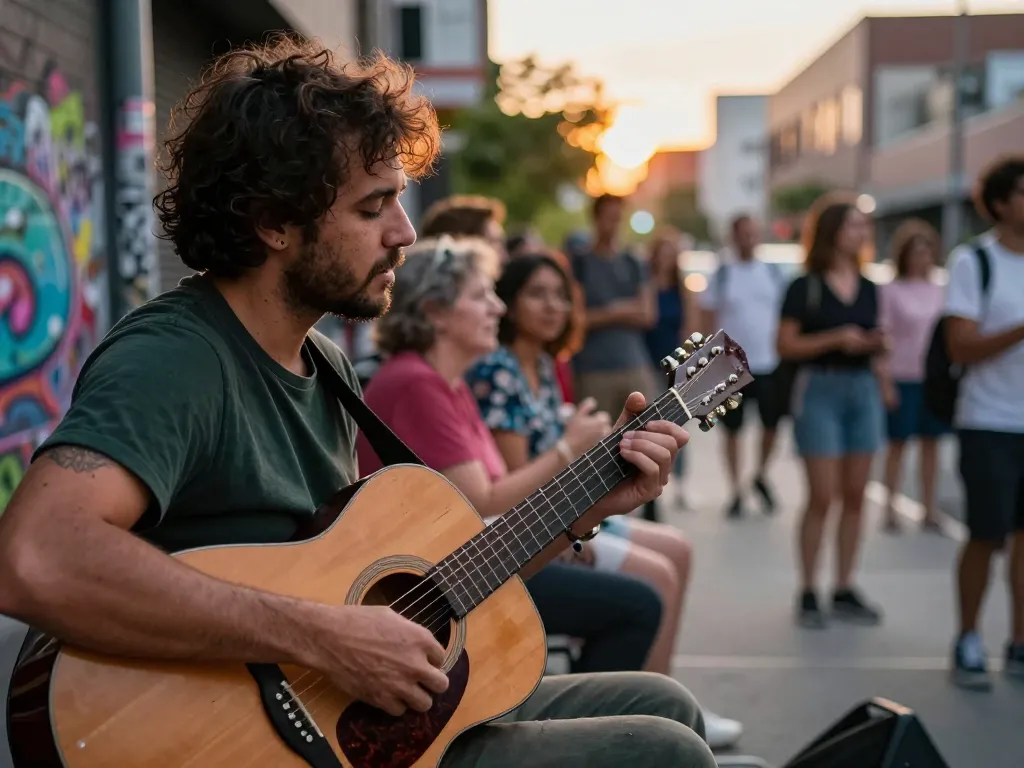
On-location videography refers to the practice of filming video content at a specific site outside of a controlled studio environment. This style can encompass a variety of settings including outdoor venues, corporate offices, or even private properties. The main goal is to utilize the inherent atmosphere, surroundings, and context provided by the chosen location to enhance the storytelling aspect of the video. Unlike studio shoots, on-location videography allows for more dynamic compositions and interactions with real-world elements, which can breathe life into the final product.
Benefits of Selecting On-Location Videography Toronto
Choosing on-location videography, especially in a vibrant locale like Toronto, comes with numerous benefits. Firstly, the diverse urban landscape offers stunning backdrops that range from iconic cityscapes to serene natural parks, allowing for aesthetically rich visuals. Secondly, shooting on location can help in capturing authentic moments, making your content relatable and engaging. Additionally, the logistic flexibility involves less limitation on space, creating opportunities for creativity in framing and composition. Finally, filming in Toronto means drawing upon the city's cultural diversity, enriching the narrative scope of your videography.
Types of Events Suitable for On-Location Videography
There are countless events that greatly benefit from on-location videography. Here are a few notable examples:
- Corporate Events: Capturing conferences, product launches, and team-building activities can deliver a more immersive experience for remote viewers.
- Weddings: On-location videography allows for the incorporation of meaningful sites, offering personalized storytelling to newlyweds' unique journeys.
- Promotional Videos: Filming at your business location showcases your brand personality, enhancing authenticity in promotional content.
- Documentaries: This approach allows for real-world storytelling, blending interviews with dynamic scenes from the subjects’ environments.
- Festivals and Events: Capturing the energy and atmosphere of public gatherings can provide a rich, engaging narrative.
Equipment Used in On-Location Videography
Successful on-location videography hinges on having the right gear to capture the desired footage accurately. The equipment used must be versatile, mobile, and efficient given the often unpredictable shooting conditions that can arise.
Essential Cameras and Accessories
When it comes to selecting a camera for on-location videography, several factors should be taken into account such as portability, image quality, and adaptability to different environments. Popular choices include DSLRs, mirrorless cameras, and camcorders that support 4K video. Accessories like high-quality lenses, external recorders, tripods, and gimbals are important to enhance visual quality and stability. Furthermore, having extra batteries and memory cards ensures that you won’t miss any important moments due to power or storage constraints.
Stabilization Tools for Smooth Shots
Maintaining stability while filming on location is paramount for achieving smooth footage. Various stabilization tools, such as gimbals and steadicams, can dramatically improve shot quality. A good gimbal will allow for fluid movement, whilst a tripod can be beneficial for static shots. For walk-and-talk sequences or moving shots, handheld stabilizers can provide excellent mobility without compromising on stability, thus enhancing the overall professional appearance of the video.
Audio Equipment for Clear Sound
In videography, audio quality is just as important as visual quality. Using external microphones—such as shotgun mics or lavalier mics—ensures that the sound is crisp and clear, even in bustling locations. It's advisable to also invest in windshields for microphones when shooting outdoors, as they can help reduce wind noise. Additionally, portable audio recorders can capture high-quality sound, particularly for interviews or ambient sound collection.
Planning Your On-Location Shoot
Effective planning can mean the difference between a good video and a great one. Thorough preparation contributes to a more organized and enjoyable shooting process, ultimately leading to better results.
Choosing the Right Location for Videography
The location can significantly influence the mood and message of your video. When selecting a site, consider aspects such as lighting conditions, background distractions, and the audio environment. Scout potential venues in advance to assess their suitability. Pay attention to naturally occurring light and how it interacts with the location at different times of the day, as this can lead to varying aesthetic qualities in the footage.
Creating a Shot List Before the Event
A well-structured shot list can streamline the shooting process, ensuring all essential scenes are captured efficiently. The shot list should encompass a variety of angles, compositions, and types of shots based on the event's requirements and objectives. It’s also beneficial to note down any specific moments that must be filmed, as well as contingency plans for adjustments due to unforeseen circumstances.
Engaging with Clients for Better Results
Collaboration with clients can enhance the quality of the final product. Prior to the shoot, communicate openly about their expectations, preferred styles, and key messages they want to convey. Ensuring alignment on vision will enable smoother execution on the actual shooting day. Encourage feedback during the process, as their insights can often lead to unexpected yet beneficial changes.
Editing Tips for On-Location Videography
Post-production is where the magic truly happens. Proper editing techniques can transform raw footage into a polished narrative that resonates with viewers.
Post-Production Software Recommendations
Choosing the right editing software is crucial for effectively crafting your video's narrative. Popular choices include Adobe Premiere Pro, Final Cut Pro, and DaVinci Resolve. Each offers unique features suited to different editing styles. Familiarize yourself with the software of your choice to maximize efficiency. Look for tools that facilitate seamless editing workflows, allowing for quick adjustments and revisions.
Color Grading Techniques for Impact
Color grading plays a significant role in setting the tone of your video. It's essential to create a consistent color palette that aligns with the brand or message being portrayed. Use LUTs (Look-Up Tables) to pre-set hues, and make adjustments for shadows, highlights, and midtones to enhance overall visual appeal. Subtle can enhance emotional engagement without distracting from the narrative.
Creating Compelling Narratives in Edits
Utilize the footage to tell a story that captivates the audience. Employ techniques such as pacing, rhythm, and transitions to guide viewers through the video. Start with a strong hook to grab attention immediately, and maintain engagement by building up to key moments. Incorporate various shot types and angles to sustain interest and provide depth. Finally, ensure smooth transitions between scenes for a cohesive viewing experience.
Case Studies: Successful On-Location Videography
Analyzing past successes can offer valuable insights into the elements that contribute to high-quality videography.
Event Highlights: From Concept to Final Cut
Examining successful event highlights showcases the effect of meticulous planning and execution. For example, capturing a corporate gala requires an understanding of key moments, such as speeches or awards. By determining what is essential in advance and capturing it elegantly, the end product can reflect the energy and excitement of the event, compelling audiences emotionally.
Testimonial and Review Integration in Videos
Testimonials can significantly enhance the credibility of your content. Consider embedding short clips of audience or client feedback directly in the video narrative. This approach can humanize the brand and draw viewers in by establishing trust. Directly filming these segments during an event provides authentic responses, creating genuine reactions that resonate more deeply than scripted content.
Metrics for Measuring Success in Videography
Utilizing analytics tools will allow you to measure the success of your videography effectively. Important metrics may include view counts, engagement rates, shares, and comments. Observing viewer retention throughout the video can highlight strengths and weaknesses in your content. Look for patterns in viewer interactions, as they can inform future projects and enhance your overall videography strategy.
Frequently Asked Questions
What is on-location videography?
On-location videography involves filming video content at specific real-world settings, capturing the authentic atmosphere and context of various events.
What equipment do I need for on-location videography?
Essential equipment includes a quality camera, stabilizers, external microphones, and editing software for post-production enhancements.
How should I choose a shooting location?
Select a location based on its suitability for the theme of your video, considering lighting, background noise, and overall aesthetic appeal.
What editing software is best for videography?
Adobe Premiere Pro, Final Cut Pro, and DaVinci Resolve are popular options that provide powerful tools for effective video editing and color grading.
How can I measure the success of my video?
Success can be measured through metrics such as view counts, engagement rates, and viewer retention statistics, providing insights for future projects.