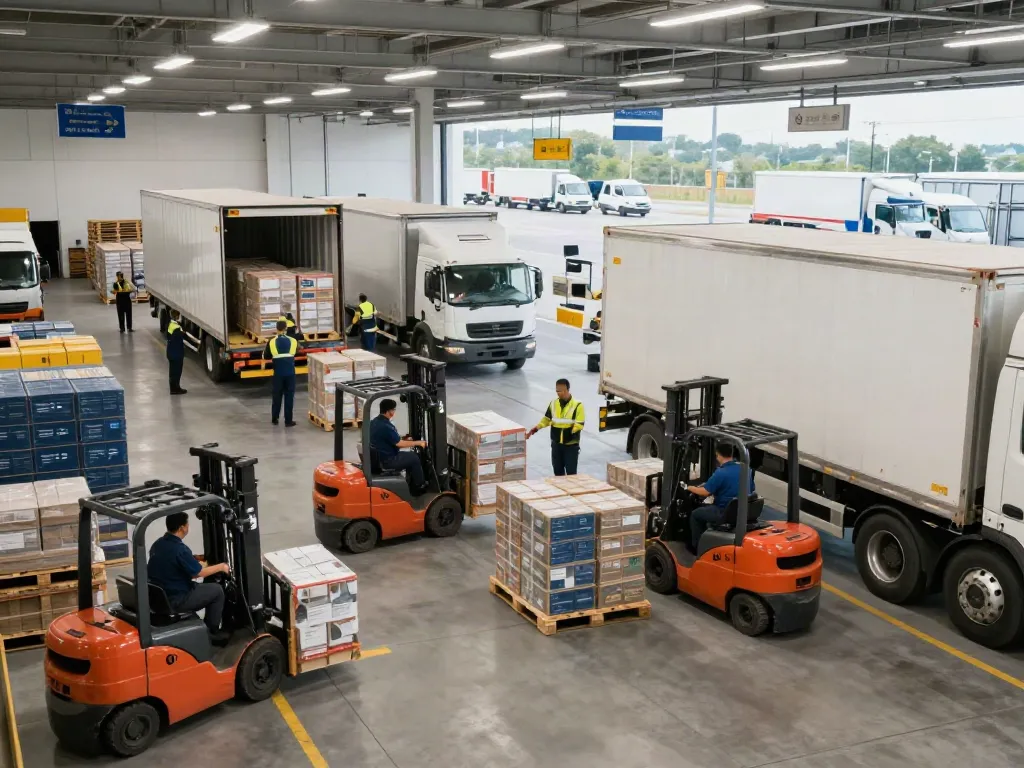
Understanding the Role of a New York Commercial General Contractor
Defining a New York Commercial General Contractor
A New York Commercial General Contractor acts as the orchestrator of construction projects, overseeing all aspects from initial planning to final execution. These experts manage the construction process for commercial properties—fields that include retail spaces, warehouses, office buildings, and more. In fast-paced New York, where unique architecture and rigorous standards coexist, these professionals ensure compliance with city regulations, managing both the logistics and the workforce efficiently. Understanding the responsibility of this role is essential for any business or investor looking to undertake commercial development in the city, as a New York Commercial General Contractor can significantly influence the outcome of a project.
Key Responsibilities in a Commercial Project
The responsibilities of a New York Commercial General Contractor extend beyond simple oversight. Key duties include:
- Project Management: Initiating and overseeing timelines, and ensuring the project stays on track and meets deadlines.
- Budgeting: Estimating costs, preparing budgets, and managing finances to prevent overruns.
- Subcontractor Coordination: Hiring and managing subcontractors for specialized tasks, ensuring they adhere to project specifications.
- Regulatory Compliance: Navigating local codes, zoning laws, and safety regulations to avoid legal pitfalls and penalties.
- Quality Control: Ensuring that all work meets industry standards and client expectations through routine inspections.
Differences Between General Contractors and Subcontractors
Understanding the distinction between general contractors and subcontractors is crucial. A general contractor oversees the entire construction project, managing all subcontractors and various trades to meet project goals. Subcontractors, on the other hand, are specialists hired to handle specific tasks, such as electrical, plumbing, or HVAC work. While general contractors coordinate the overall environment, subcontractors focus on executing their specialized tasks. Hence, having a reputable general contractor at the helm can ensure that the subcontractors are effectively managed, allowing for a smoother work process.
How to Choose the Best New York Commercial General Contractor
Evaluating Experience and Qualifications
When searching for a New York Commercial General Contractor, evaluating their experience and qualifications is paramount. Look for contractors who have a robust history of successfully managing projects similar to yours. Ask about their education, certifications, and any specialized training relevant to your specific construction needs. Experienced contractors are adept at anticipating challenges and navigating them effectively, which is especially important in the diverse landscape of New York City construction, where unexpected issues can arise at any moment.
Checking References and Reviews
A reputable contractor should provide references from previous clients. Speaking with these clients will offer insights into their work ethic, reliability, and quality of workmanship. Don't hesitate to check online reviews and ratings to gauge public perception. This research phase can provide a wealth of information about a contractor's past performance and can be as critical as the interviews you conduct during the selection process.
Understanding Pricing Models
Contractors generally use various pricing models, including fixed-price contracts, cost-plus contracts, or time-and-materials agreements. Understanding these structures will help you determine what fits your project budget and risk tolerance best. Be sure to obtain transparent breakdowns of each proposal, enabling you to compare apples to apples when evaluating different contractors' bids. Engaging in open conversations about any proposed models ensures clear expectations are set from the budgetary standpoint.
Common Challenges Faced by New York Commercial General Contractors
Dealing with Strict Building Codes
New York City has one of the most stringent sets of building codes, which can pose a notable challenge for general contractors. Navigating these codes necessitates thorough knowledge and experience; failing to adhere can lead to project delays or costly fines. It is essential for contractors to stay informed about changes to regulations, making compliance a proactive initiative rather than a reactive one.
Managing Project Deadlines and Expectations
Project timelines in the construction industry are often tight, particularly for commercial projects that directly impact a client's business operations. Balancing the various moving pieces and ensuring that teams perform on schedule can be challenging. Effective time management and regular communication with all project stakeholders can help to mitigate potential delays, ensuring that projects are completed promptly while maintaining quality.
Handling Financial Risks and Budgeting
Financial risks are inherent to any construction project. Cost overruns can arise from numerous unexpected issues, such as material price increases or unforeseen labor costs. A competent commercial contractor must have detailed budgeting strategies in place, with contingency plans to address various risks. Regular budget reviews throughout the project can assist in keeping finances on track and ensure that there are no surprises as the project progresses.
Best Practices for Working with a New York Commercial General Contractor
Establishing Clear Communication Guidelines
Open communication is crucial for a successful project. From the start, establish clear lines of communication between your team and the contractor's team. Define who the primary points of contact are, the preferred communication channels, and the expected frequency of updates. This clarity helps prevent misunderstandings and fosters a collaborative working relationship, ultimately aiding the project's success.
Utilizing Technology for Project Management
Embracing project management technology can greatly enhance the efficiency and transparency of a commercial project. Tools for scheduling, resource allocation, and real-time updates ensure that all parties are on the same page. Consider platforms that provide visual timelines and dashboards, allowing for quick assessments of project progress and potential bottlenecks.
Regularly Reviewing Project Progress
Establishing regular check-ins to review project progress can help avert issues before they escalate. Frequent assessments allow contractors to provide updates on timelines, budgets, and any emerging challenges. This iterative review process keeps everyone accountable and aligned with project goals, enhancing the chances of successful completion.
FAQs about New York Commercial General Contractor Services
What qualifications should I look for in a contractor?
Look for contractors with appropriate licenses, extensive experience with similar projects, and positive client references. Certifications related to specific construction sectors can also be beneficial.
How can I ensure my project stays on budget?
Maintaining a budget requires clear communication, regular financial reviews, and engaging a contractor known for staying within budget. Utilize technology for budget tracking.
What should I expect from a contractor during the project?
You should expect consistent communication, adherence to timelines, and proactive problem-solving. Regular updates and transparency regarding costs and progress are essential.
How long does a typical commercial project take?
The duration can vary greatly based on project complexity. Generally, commercial projects can take anywhere from a few months to several years, depending on scope.
Are permits required for commercial construction projects in NYC?
Yes, permits are generally required for commercial construction in New York City. Your general contractor should handle obtaining all necessary permits and licenses to comply with regulations.