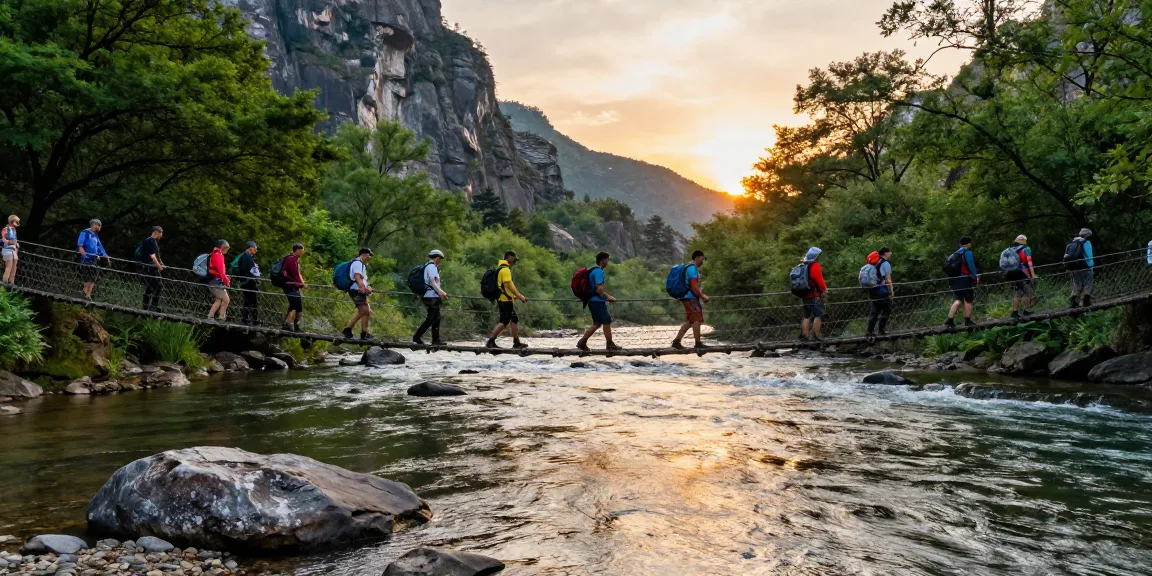
Understanding the River Rope Bridge: Design and Purpose
River rope bridges, iconic structures that bridge the gap between adventure and the great outdoors, offer a unique combination of functionality and aesthetics. These suspended pathways not only enable safe crossings over rivers but also provide a thrilling experience for those brave enough to traverse them. On that note, if you're looking for comprehensive insights into various applications of these structures, the River Rope Bridge concept is worth exploring in depth.
What Makes a River Rope Bridge Unique?
At their core, river rope bridges stand out due to their design simplicity and the ingenious use of materials. Unlike conventional bridges, which rely heavily on steel and concrete, river rope bridges are often made from durable ropes, wood, and other lightweight materials. This results in structures that not only blend seamlessly into their natural environment but are also easier and less expensive to construct. Their flexibility allows them to move gracefully with the elements, providing a dynamic crossing solution in rugged terrains.
The Engineering Behind River Rope Bridges
Engineering plays a pivotal role in the creation of river rope bridges. The fundamental principle behind these bridges is tension. The cables or ropes are strung between two anchor points—usually on either riverbank—creating a tight line that bears the weight of those crossing. Engineers must calculate various factors, including the load the bridge will bear, the distance between the anchor points, and the local weather conditions that might affect the structure’s stability. Advanced materials have also improved the durability of these bridges, ensuring they can withstand harsh environmental conditions.
Key Benefits of Using River Rope Bridges
- Cost-Effectiveness: River rope bridges are generally more affordable than traditional bridges, making them an attractive option for remote areas.
- Environmental Integration: These bridges require less material, allowing for a smaller environmental footprint compared to concrete structures.
- Accessibility: Ideal for hikers and campers, river rope bridges can provide access to otherwise difficult-to-reach locations.
- Aesthetic Appeal: The natural look of a rope bridge can enhance the beauty of its surroundings, turning crossings into scenic adventures.
Popular Locations Featuring River Rope Bridges
Top River Rope Bridges Around the World
Throughout the globe, several locations are celebrated for their stunning river rope bridges. The Carrick-a-Rede Rope Bridge in Northern Ireland, for instance, provides breathtaking views and a thrilling crossing experience. Similarly, the Qeswachaka Bridge in Peru, which is made from traditional Incan materials, showcases the cultural significance of rope bridges and their enduring legacy. In New Zealand, you can find the famous Te Waikoropupu Springs bridge, which not only connects two walking paths but offers visitors stunning views of the surrounding natural beauty.
Best Practices for Visiting River Rope Bridges
When visiting these remarkable structures, it’s essential to prioritize safety and environmental stewardship. Always check local guidelines regarding the use of rope bridges, as some may have specific operational hours or may require permits. It’s also advisable to go in groups, maintain respectful distances from others, and follow any posted instructions or safety measures. Remember to observe the local flora and fauna, ensuring that your crossing does not disturb their habitats.
Photography Tips for Capturing River Rope Bridges
For those keen on photography, river rope bridges offer picturesque opportunities to capture both the bridge itself and the surrounding landscape. To optimise your shots:
- Use natural lighting, ideally during the golden hours of early morning or late afternoon.
- Incorporate leading lines, such as the bridge cables, to draw the viewer's eye into the photograph.
- Experiment with different angles, including low shots to emphasise the height of the bridge.
Safety Considerations When Using River Rope Bridges
Understanding River Conditions and Risks
Before attempting to cross a river rope bridge, it’s crucial to assess the river conditions. Factors like water level, current speed, and weather can dramatically alter the safety of a crossing. High water levels or strong currents may pose significant risks. It’s advisable to wait for stable conditions or consult local guides for advice on the river’s safety status.
Essential Safety Gear for Crossing River Rope Bridges
Having the right safety gear can significantly enhance your safety while crossing river rope bridges. Essential items include:
- Harness: For elevated crossings, a safety harness can prevent falls.
- Helmet: A bicycle or climbing helmet can protect against any overhead hazards.
- Gloves: Protect your hands while gripping ropes and cables.
Guidelines for Safe Crossing Practices
To ensure a safe crossing, adhere to the following guidelines:
- Cross in single file; avoid overcrowding the bridge.
- Maintain a steady pace, and avoid sudden movements.
- Use handrails if available for added stability.
Building Your Own River Rope Bridge: A DIY Guide
Materials Needed for Construction
If you’re considering building your own river rope bridge, proper material selection is essential. Recommended materials include:
- Heavy-duty ropes: Such as nylon or polypropylene, which can withstand tension and environmental factors.
- Wooden beams or platforms: To create stable walking surfaces.
- Carabiners and anchors: For secure attachment points and load management.
Step-by-Step Guide to Building a River Rope Bridge
- Choose the site: Ensure stable banks and minimal current interference.
- Measure the distance: Determine how long your bridge needs to be.
- Build the support structure: Install anchor points securely on both sides of the river.
- Attach the ropes: String the ropes tightly and ensure even tension across the bridge.
- Add wooden planks: Create a walking surface that is both sturdy and safe.
Common Mistakes to Avoid in DIY Bridge Construction
When building your own river rope bridge, be cautious of common pitfalls, such as:
- Underestimating material strength, leading to potential failures.
- Failing to properly secure anchor points, which can result in collapse.
- Neglecting environmental factors, such as floods or erosion, that could impact your bridge.
Future Trends in River Rope Bridge Design and Use
Innovative Technologies Enhancing River Rope Bridges
As technology continues to evolve, so does the design and functionality of river rope bridges. New advances include improved materials that resist wear and tear better, as well as smart technology that can monitor structural integrity. This can ensure that bridges remain safe for use over extended periods, even in challenging environments.
Sustainable Practices in Bridge Design
With increasing awareness of environmental impact, future designs for river rope bridges will likely focus on sustainability. This includes using renewable materials, implementing energy-efficient construction methods, and creating designs that blend seamlessly into their natural surroundings.
Predictions for River Rope Bridges in 2026 and Beyond
Looking ahead to 2026, we can expect an increase in the popularity of river rope bridges, driven by a growing interest in eco-tourism and outdoor activities. These bridges will not only serve a functional purpose but will also become symbols of adventure and sustainability, inspiring a new generation of outdoor enthusiasts to explore their natural environments.
What are the benefits of river rope bridges?
River rope bridges offer numerous advantages, including cost-effectiveness, ease of construction, and the ability to blend into natural landscapes. They provide a unique crossing experience that enhances outdoor activities while preserving the natural environment.
How do you safely cross a river with a rope bridge?
To cross a river rope bridge safely, ensure you assess local conditions, use safety gear, and adhere to guidelines such as crossing one person at a time, while maintaining a steady pace.
What materials are best for constructing a river rope bridge?
The best materials for river rope bridges include heavy-duty ropes for the main structure, sturdy wooden planks for the walking surface, and secure anchoring tools like carabiners for safety.
Where can I find the best examples of river rope bridges?
Some of the best examples can be found in natural parks, adventure areas, and historical sites worldwide, with notable mentions including the Carrick-a-Rede Rope Bridge in Northern Ireland and the Qeswachaka Bridge in Peru.
How do river rope bridges compare to traditional bridges?
River rope bridges are generally more cost-effective and environmentally friendly than traditional concrete bridges. They also offer a unique aesthetic appeal and flexibility in rugged terrains, making them particularly suitable for outdoor adventures.