
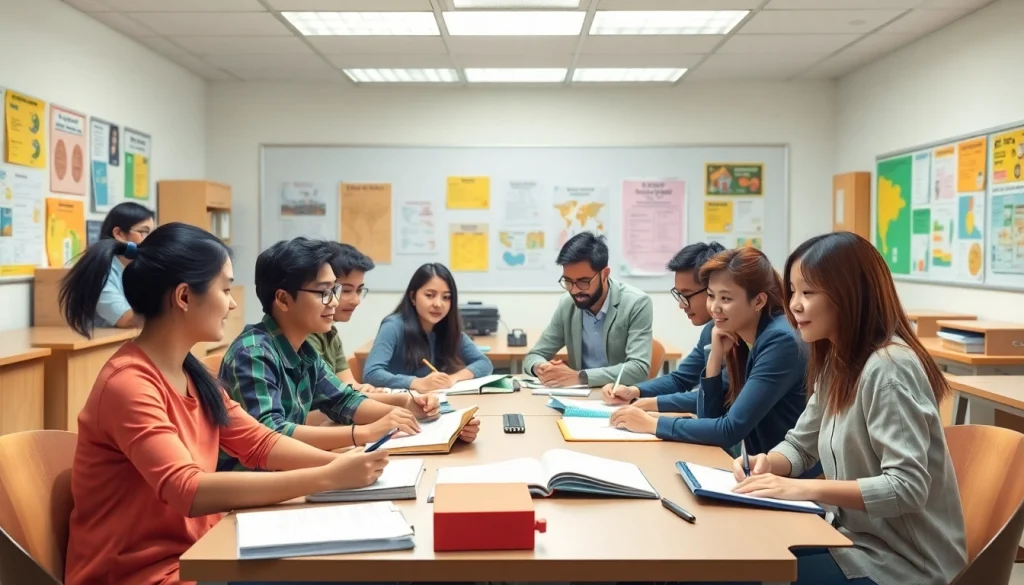
Understanding the Basics of Education
Definition and Importance of Education
Education is a fundamental element of society, shaping individuals and communities by imparting knowledge, values, and skills conducive to personal development and societal advancement. At its core, education is defined as the process of facilitating learning, or the acquisition of knowledge, skills, values, beliefs, and habits. This complex interplay not only equips individuals with basic literacy and numeracy but also fosters critical thinking, creativity, and social responsibility. As such, an effective education system is crucial for the growth and sustainability of any civilization, impacting economic performance, social cohesion, and overall quality of life.
In today’s rapidly changing world, the importance of Education extends far beyond traditional classroom settings. It encompasses various forms, from formal education in schools to informal learning experiences that occur through everyday interactions. Investing in education leads to a more informed citizenry, capable of participating fully in democratic processes and contributing to social welfare.
Types of Education: Formal vs Informal
Education can be categorized broadly into two types: formal and informal. Formal education occurs in structured environments such as schools and universities, following a specific curriculum designed to achieve educational standards and outcomes. This type of education is further classified into levels, including primary, secondary, and tertiary education, each with its distinct objectives and learning activities.
Conversely, informal education happens outside the traditional classroom. It encompasses a wide range of experiences, such as community education programs, self-directed learning, and lifelong learning opportunities. Informal education allows individuals to pursue interests in a flexible manner, promoting skills and knowledge acquisition that may not fit within the confines of formal schooling.
Key Components of an Effective Education System
An effective education system is a multifaceted construct that integrates several critical components:
- Curriculum: The curriculum must be relevant, inclusive, and challenging, equipping students with both academic knowledge and practical skills.
- Qualified Educators: A well-trained and passionate teaching workforce is essential, as educators play a significant role in motivating and inspiring students.
- Infrastructure: Access to modern facilities, resources, and technology enhances the learning experience and contributes to positive outcomes.
- Community Involvement: Engaging families and communities in the education process fosters a supportive environment that encourages student success.
- Assessment and Feedback: A robust evaluation system that provides timely feedback helps to identify strengths and areas for improvement, facilitating continuous growth.
The Evolution of Education
Historical Perspectives on Education
The evolution of education reflects broader changes in society, culture, and technology. From the early days of informal storytelling and mentorship among communities to the establishment of formal institutions, the history of education is rich and varied. In ancient civilizations, educational practices were closely tied to trade, warfare, and governance, with high value placed on memorization, oral tradition, and practical skills.
The Middle Ages saw the formation of schools and universities, emphasizing religious and classical texts. The Renaissance sparked a renewed interest in sciences and humanities, leading to educational reforms that emphasized critical thinking and inquiry. By the modern era, education systems began to reflect principles of democracy, leading to increased access and standardization.
Major Educational Reforms Through the Ages
Throughout history, various reforms have transformed the landscape of education. Some significant milestones include:
- The Prussian Model: Establishing a compulsory education system in the 18th century, promoting access to schooling for all children.
- John Dewey’s Progressive Education: Advocating for experiential learning and the importance of education in fostering democracy and social responsibility in the early 20th century.
- The No Child Left Behind Act: Implemented in the early 21st century, aimed to increase accountability and improve student outcomes in U.S. public schools.
The Impact of Technology on Education
In recent decades, technological advancements have dramatically reshaped education, making learning more accessible and interactive. The integration of digital tools and resources has enhanced teaching methods and student engagement, enabling personalized education that accommodates diverse learning styles. Online learning platforms, educational apps, and virtual classrooms have emerged as vital components of modern education, breaking geographic barriers and offering new educational opportunities.
However, the dependence on technology also presents challenges, such as the digital divide and the need for digital literacy. As technology continues to evolve, education systems must adapt to equip learners with the skills needed to thrive in a digital world.
The Importance of Lifelong Learning in Education
Benefits of Continuous Education
Lifelong learning, or the practice of continuously developing skills and knowledge throughout an individual’s life, has become paramount in today’s fast-paced world. The benefits of engaging in ongoing education are extensive:
- Career Advancement: Individuals who embrace lifelong learning often enjoy better job prospects and increased earning potential.
- Personal Development: Continuous education fosters self-discovery, enhances critical thinking, and improves problem-solving abilities.
- Adaptability: Staying updated with new developments in one’s field ensures that individuals can adapt to changes in the job market and technology.
How to Pursue Lifelong Learning Opportunities
Pursuing lifelong learning is not confined to formal education. Here are some effective strategies to foster continuous growth:
- Online Courses: Platforms like MOOCs (Massive Open Online Courses) provide access to a wide variety of subjects that anyone can enroll in.
- Professional Development Workshops: Many organizations offer training sessions and workshops to enhance employees’ skills and knowledge.
- Reading and Research: Keeping up with industry publications, books, and research can provide insights and support self-learning.
Challenges to Lifelong Learning in Modern Society
Despite its advantages, several barriers to lifelong learning exist, including:
- Time Constraints: Many individuals juggle work, family, and other commitments, leaving little time for educational pursuits.
- Financial Limitations: The costs associated with further education can be prohibitive for some.
- Access to Resources: Limited access to technology or educational resources can hinder opportunities for learning.
Overcoming these challenges requires a commitment to prioritizing education, seeking financial assistance, and leveraging community resources that promote learning.
Global Challenges and Education
Education Inequality and Access Issues
Despite advancements in education, significant disparities exist globally. Access to quality education varies widely, influenced by factors such as geography, socio-economic status, and gender. Many underprivileged communities face educational barriers due to insufficient funding, inadequate infrastructure, and lack of trained educators. This inequity not only perpetuates cycles of poverty but also hinders national development and social progress.
The Role of Education in Sustainable Development
Education plays a pivotal role in achieving the United Nations’ Sustainable Development Goals, particularly Goal 4, which aims to ensure inclusive and equitable quality education and promote lifelong learning opportunities for all. By investing in education, countries empower individuals to lead more sustainable lives, contribute to economic growth, and promote social justice. Education fosters awareness of environmental issues, encourages responsible citizenship, and nurtures the skills needed to tackle global challenges.
Case Studies of Successful Educational Initiatives Worldwide
Numerous countries have implemented innovative educational initiatives to tackle access and quality issues. Some noteworthy examples include:
- Finland’s Education System: Renowned for its holistic approach, Finland emphasizes equal access and a focus on student well-being, leading to consistently high academic performance.
- Kenya’s School Feeding Program: This initiative has significantly increased school enrollment and attendance rates in underserved regions by addressing hunger and malnutrition.
- India’s Digital India Initiative: Aimed at improving digital literacy, this project supports the implementation of technology in classrooms, enhancing educational outcomes across the nation.
Future Trends in Education
Innovations Transforming the Education Landscape
The future of education is poised for radical transformation driven by innovation. Key trends shaping the educational landscape include:
- Personalized Learning: Adaptive learning technologies will continue to tailor educational experiences to meet individual student needs, empowering them to learn at their own pace.
- Project-Based Learning: Emphasizing real-world applications, this approach fosters engagement and collaboration, allowing students to solve complex problems.
- Remote and Hybrid Learning: The rise of blended learning environments—combining online and in-person instruction—promises flexibility and accessibility in education.
The Growing Importance of Digital Literacy
In a digital age, digital literacy is now an essential skill for effective participation in society. Understanding how to navigate, evaluate, and create information using digital technologies is vital for personal and professional success. As education increasingly integrates technology, teaching digital literacy skills will be imperative to prepare learners for future challenges.
Preparing for Future Workforce Skills
As industries evolve rapidly, the demand for specific skills will continue to shift. Education systems will need to focus on developing competencies such as critical thinking, creativity, collaboration, and communication. Partnerships between educational institutions and industries can facilitate the alignment of curricula with workforce needs, ensuring that graduates are equipped with relevant skills for the jobs of the future.