
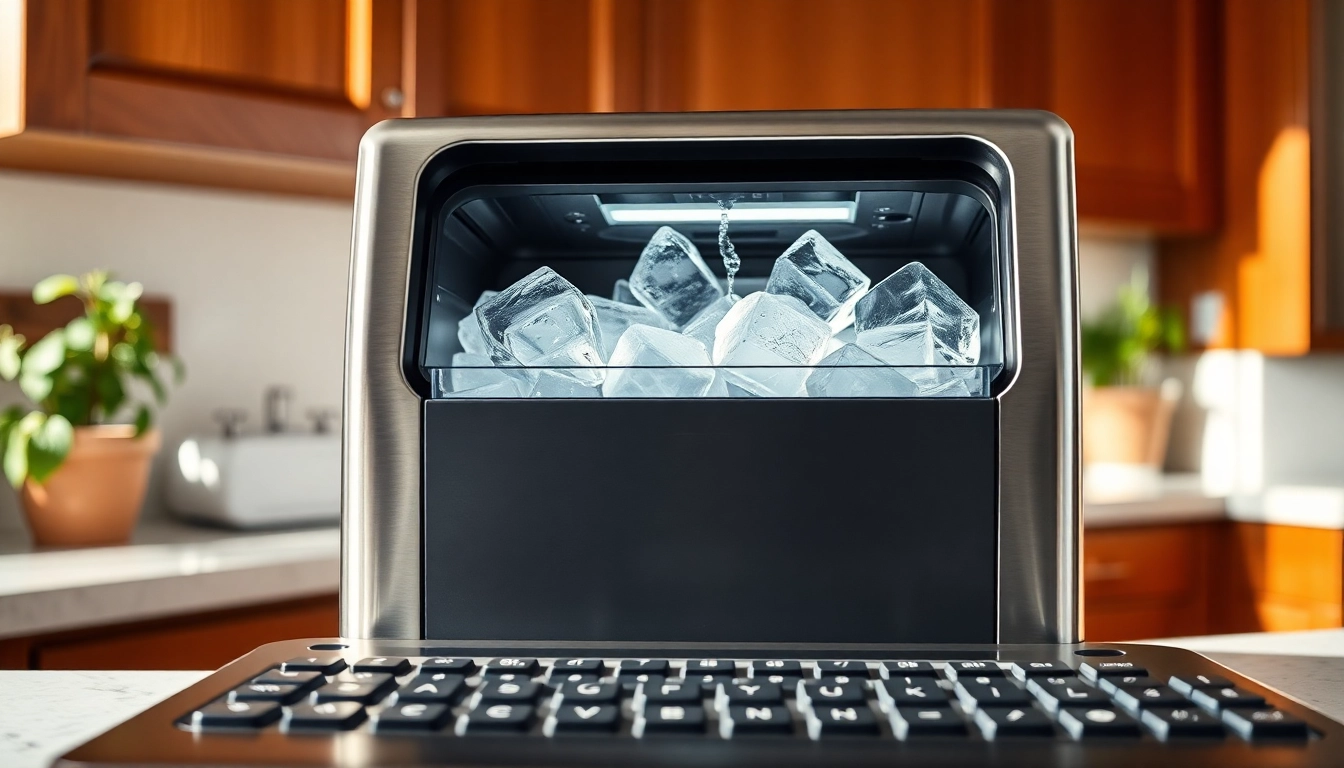
Understanding the Ice Maker: What You Need to Know
In an age where convenience and quality reign supreme, the ice maker stands out as an essential home appliance. Whether you’re hosting a summer barbecue, mixing cocktails, or simply enjoying a cold drink, having a reliable source of ice can elevate your beverage experience. This article will explore the intricacies of ice makers, including the types available, their essential features, and how they function.
Types of Ice Makers Available
Ice makers come in various types designed to meet different needs and preferences. Here are the most common categories:
- Countertop Ice Makers: These are compact machines that can easily fit on your kitchen counter. They are perfect for households that require a small amount of ice and are portable enough for tailgating or camping.
- Built-in Ice Makers: These are designed for installation in cabinets or custom kitchen setups, providing a seamless look. Built-in models generally have a larger capacity, suitable for families or frequent entertainers.
- Portable Ice Makers: As the name suggests, these ice makers are lightweight and can be moved easily around your home or even taken on vacation. They are particularly useful if you have limited space.
- Commercial Ice Makers: Ideal for businesses that require a large supply of ice, these machines can produce immense quantities of ice rapidly and are designed for intensive use.
Key Features to Look For
When selecting an ice maker, several essential features should guide your decision:
- Ice Production Rate: Look for how much ice the machine can produce within 24 hours, which is a critical factor for gatherings or frequent use.
- Ice Size Options: Some machines allow you to choose between different ice sizes, from small nuggets to larger cubes, accommodating various beverage types.
- Water Supply Method: Ice makers either need a stable water line connection or rely on manual filling. Choose one that best matches your setup.
- Energy Efficiency: Models with an Energy Star certification help minimize energy costs over time, making them environmentally friendly and cost-effective.
- Self-Cleaning Features: Regular maintenance is crucial; therefore, self-cleaning systems can save you time and hassle.
How Ice Makers Work
Understanding the operation of an ice maker helps demystify its technology. Essentially, an ice maker works through three primary steps:
- Water Intake: The unit draws water from a supply line or through a reservoir, where it is then directed to the freezing components.
- Freezing Process: Inside the machine, the water fills a mold and is cooled until it solidifies into ice. Depending on the model, different methods of freezing may be used.
- Harvesting Ice: Once frozen, the ice is released into a storage bin or is dispensed into a bowl or glass, ready for use. Some advanced models also have a built-in dispenser for convenience.
Why You Should Invest in an Ice Maker
Investing in an ice maker may seem like a luxury, but it provides numerous benefits that can justify its cost. Here are some compelling reasons to consider adding one to your home.
Benefits of Having an Ice Maker at Home
Having an ice maker at home offers key advantages:
- Convenience: No more running to the store for bags of ice or fumbling with ice trays. An ice maker provides a steady and reliable supply.
- Quality Control: You can be assured of the quality of your ice, free from impurities, enhancing the taste of your beverages.
- Automated Production: Many machines can produce ice quickly, often within minutes, ensuring you never run short, particularly during gatherings.
Long-term Cost Savings
While there is an initial investment, an ice maker can save you money in the long run:
- Reduced Store Trips: You can save on the costs and time associated with buying ice at the store.
- Durability: Many ice makers are built to last, minimizing repair costs and replacements compared to disposable ice solutions.
- Increased Home Value: An ice maker can enhance the overall value of your kitchen, appealing to potential buyers.
Ideal for Entertaining and Everyday Use
Ice makers shine in their versatility:
- Perfect for Parties: With abundant ice on-demand, you can cater to drinks without interruption, ensuring guests are always satisfied.
- Everyday Convenience: Use it for iced teas, smoothies, or any beverage craving, making everyday hydration refreshing.
- Health Benefits: Using clean, clear ice can contribute to healthier beverage choices, avoiding added sugars found in sodas.
Choosing the Right Ice Maker for Your Needs
With so many choices available, selecting the right ice maker can be overwhelming. Consider these factors to help narrow down your options:
Portable vs. Built-in Ice Makers
Deciding between portable and built-in models depends on your space, needs, and lifestyle:
- Portable Ice Makers: Ideal for small kitchens, outdoor use, or limited space, making them flexible and easy to store.
- Built-in Ice Makers: Perfect for larger households and those who desire a permanent ice solution integrated into their kitchen design.
Capacity Considerations
Think about your typical ice consumption:
- Light Users: A model with lower capacity (10-20 lbs daily) may suffice for casual use.
- Heavy Users: Choose a machine that produces 30 lbs or more per day if you frequently entertain or have a larger family.
Energy Efficiency Ratings Explained
Energy efficiency plays a crucial role in long-term operational costs:
- Energy Star Certified: These models meet strict energy efficiency guidelines, ensuring lower utility bills.
- Annual Energy Use: Check the estimated annual energy consumption to gauge how it fits into your budget.
Maintenance and Care for Your Ice Maker
To ensure longevity and optimum performance of your ice maker, regular maintenance is key:
Regular Cleaning Tips
Cleaning your ice maker periodically is vital for keeping it running smoothly:
- Daily Maintenance: Empty the ice bin regularly and rinse it out to prevent odors.
- Weekly Cleaning: Use a mild detergent to clean the unit surfaces and internal parts as necessary.
- Deep Cleaning: Refer to the manufacturer’s guidelines for specific deep cleaning protocols every few months.
Troubleshooting Common Issues
Even the best ice makers can have hiccups; here are some common problems and their solutions:
- Low Ice Production: Check the water supply and ensure the machine is connected properly. Clogged filters may need cleaning.
- Ice Quality: Bad tasting ice could result from dirty water or a dirty unit. A thorough cleaning can resolve this issue.
- No Ice Harvesting: This may indicate an issue with the thermistor or other internal components. Reset the unit or consult the manual for guidance.
When to Seek Professional Help
If your ice maker shows persistent problems, it might be time to contact a professional:
- Complex Repairs: Issues with the compressor or electrical components often require expert intervention.
- Frequent Failures: If you find yourself troubleshooting often, it may be worth seeking a technician’s advice on next steps.
Frequently Asked Questions About Ice Makers
Are ice makers noisy during operation?
Most modern ice makers operate quietly, making them suitable for homes and offices without disturbing the environment.
Can an ice maker be used outdoors?
Yes, there are specific outdoor ice makers designed to withstand the elements. Ensure it’s rated for outside use to avoid damage.
How much ice can an ice maker produce daily?
Production varies, but many home ice makers can produce between 20 to 30 lbs. of ice per day, providing ample supply for gatherings.
Is it worth buying a countertop ice maker?
A countertop ice maker is generally worth the investment for convenience, especially if you host parties or enjoy cold beverages regularly.
Do ice makers require a water supply connection?
It depends on the model; some require a direct water line, while others can be manually filled, offering flexibility for different settings.