
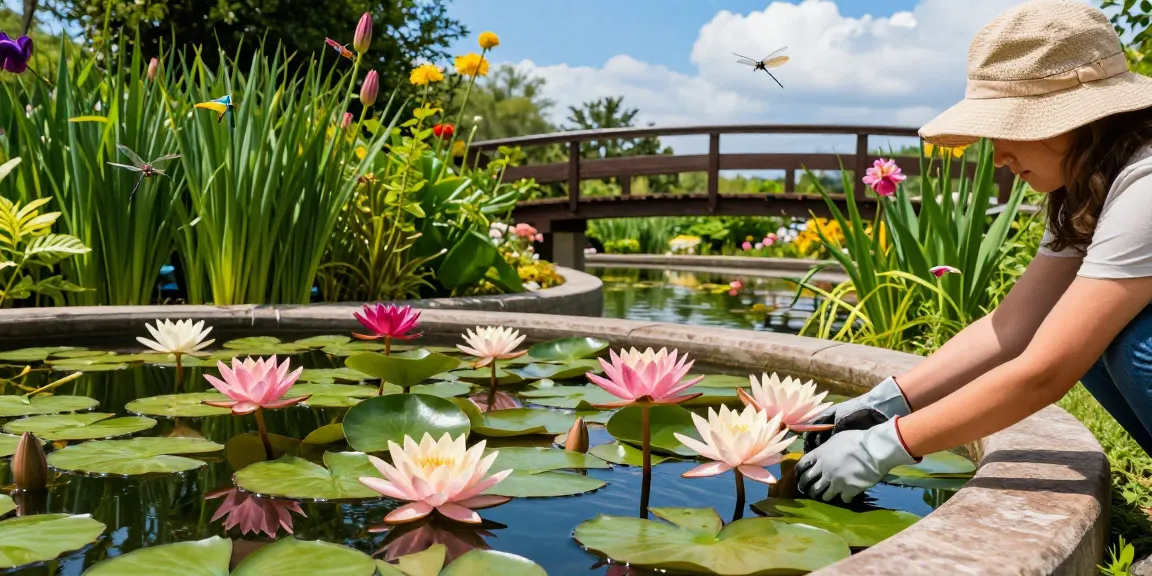
Understanding Water Lilies: Types and Benefits
Water lilies (Nymphaea spp.) are enchanting aquatic plants that grace ponds and water gardens with their stunning flowers and lush foliage. These perennial plants offer numerous benefits, both aesthetic and ecological, making them a favored choice for pond enthusiasts. As you consider your options, Buy Water Lilies can significantly enhance the beauty and health of your aquatic environment.
Popular Varieties of Water Lilies
Among the myriad of water lily species, several stand out for their beauty and adaptability:
- Hardy Water Lilies: These are the most common varieties, thriving in temperate climates. Notable types include Nymphaea alba (white water lily) and Nymphaea odorata (American white water lily).
- Tropical Water Lilies: Best suited for warmer climates, they are known for their vibrant colors and unique shapes. Popular varieties include Nymphaea tetragona and Nymphaea ‘Blue Beauty’.
- Day-Blooming and Night-Blooming Varieties: Day-blooming water lilies open in the morning and close at night, while night-bloomers, like Nymphaea ‘Jack Wood’ , unleash their beauty as the sun sets.
Ecological Benefits of Water Lilies
Water lilies play a crucial role in maintaining pond ecosystems:
- Oxygen Production: Through photosynthesis, water lilies release oxygen into the water, benefiting fish and other aquatic organisms.
- Habitat Creation: The leaves provide a resting place for frogs and insects, while their roots offer shelter for fish and microorganisms.
- Algae Control: By shading the water’s surface, water lilies help prevent excessive algae growth, contributing to a balanced pond environment.
Choosing the Right Water Lily for Your Pond
Selecting the right water lily depends on various factors, including your climate, pond size, and personal preferences. Hardy varieties are ideal for colder regions, while tropical species flourish in warm, sunny conditions. Consider the bloom time, color, and leaf size to create a visually appealing arrangement in your pond.
Guidelines for Buying Water Lilies Online
Finding quality water lilies online can be a straightforward process with the right guidance. Start by conducting research on reputable online retailers that specialize in aquatic plants.
Top Online Retailers for Water Lilies
Many retailers offer a wide selection of water lilies:
- That Pond Guy: Known for its extensive variety of pond plants, including rare and unique water lilies.
- Amazon: A convenient platform with user reviews and ratings to help gauge plant quality.
- Local Nurseries with Online Shops: Often provide locally-adapted varieties that thrive in your region.
What to Consider Before Purchase
Before buying, assess the following factors:
- Climate Suitability: Ensure the water lily variety is suitable for your specific climate zone.
- Pond Size: Choose varieties that fit the dimensions of your pond to prevent overcrowding.
- Health of the Plant: Look for healthy, vibrant plants free from signs of disease or pests.
Understanding Shipping and Handling
When ordering online, be aware of the shipping process:
- Packaging: Quality packaging is essential to protect the plants during transit.
- Delivery Time: Choose suppliers that offer expedited shipping options, especially during peak planting seasons.
- Return Policy: Familiarize yourself with the seller’s return policy in case the plants do not meet your expectations.
Planting and Caring for Your Water Lilies
Once you’ve procured your water lilies, proper planting and care are critical for their success.
Step-by-Step Planting Instructions
Follow these steps to plant your water lilies effectively:
- Choose a Planting Container: Use a pot with drainage holes to allow roots to breathe.
- Fill with Soil: Use aquatic planting soil to ensure proper nutrient delivery.
- Position the Plant: Place the tuber horizontally in the soil, covering it lightly, and leave some leaves above the soil line.
- Submerge the Pot: Lower the pot into the pond at the recommended depth, typically 12-24 inches, depending on the variety.
Essential Care Practices for Thriving Water Lilies
To keep your water lilies healthy:
- Sunlight: Ensure your lilies receive at least six hours of direct sunlight each day to promote blooming.
- Fertilization: Use slow-release aquatic fertilizers in the early spring to support vigorous growth.
- Regular Maintenance: Remove dead leaves and spent flowers to prevent decay and promote healthy growth.
Common Issues and Troubleshooting Tips
Be vigilant for potential problems that might arise:
- Pests: Watch for aphids and spider mites; introduce beneficial insects like ladybugs if necessary.
- Leaf Yellowing: This can indicate nutrient deficiency or insufficient sunlight.
- Stunted Growth: Ensure your water lily has adequate space and check for root binding in the pot.
Enhancing Your Garden with Water Lilies
Water lilies can elevate the aesthetic appeal of your garden while providing ecological benefits.
Design Ideas for Water Lily Gardens
Create a serene water lily garden by:
- Layering Plants: Incorporate different varieties and heights for visual interest.
- Adding Hardscape Elements: Include stones or pathways to create an inviting atmosphere.
- Utilizing Color Schemes: Plant lilies of various colors to create a harmonious and vibrant display.
Creating a Wildlife-Friendly Pond
Encourage wildlife by:
- Incorporating Native Plants: Combine water lilies with local aquatic flora to support local ecosystems.
- Providing Shelter: Use rocks or submerged logs to create hiding spots for fish and frogs.
- Creating Shallow Areas: Shallow sections in the pond can attract a variety of wildlife.
Integrating Other Plants with Water Lilies
A successful aquatic garden often involves a mix of plants:
- Floating Plants: Consider adding duckweed or water lettuce for additional cover.
- Marginal Plants: Incorporate species like iris or cattails along the pond edges for a natural look.
- Submerged Plants: Add oxygenators like elodea to enhance water quality and provide fish habitat.
Future Trends in Aquatic Gardening (2026 and Beyond)
As we move into the future, several trends are emerging in the world of aquatic gardening:
Innovative Approaches to Pond Design
Modern pond designs are becoming more environmentally friendly and sustainable:
- Natural Filtration Systems: This method uses plants to filter water naturally, reducing the need for chemicals.
- Eco-Friendly Materials: Builders are increasingly using recycled and sustainable materials for pond construction.
The Role of Technology in Aquatic Gardening
Technology is transforming the way we approach gardening:
- Smart Irrigation Systems: Automated systems that monitor soil moisture and deliver water efficiently.
- App-Controlled Features: Users can adjust lighting and water quality parameters through mobile apps.
Predicted Trends in Water Lily Varieties
As hybridization advances, expect to see:
- Novel Colors: Breeders are likely to introduce more vibrant colors and unique patterns.
- Improved Disease Resistance: New varieties may resist pests and diseases better, ensuring longevity in gardens.
What are the ideal conditions for growing water lilies?
Water lilies favor warm temperatures, full sunlight, and still waters. Ensuring a pH between 6.0 and 7.5 will create ideal growing conditions.
How often should I fertilize water lilies?
Fertilize water lilies once in early spring with a slow-release aquatic fertilizer, and again if blooms appear sparse.
Can water lilies survive winter in cold climates?
Yes, hardy water lilies can survive winter in cold climates by sinking below the frost line. Tropical varieties, however, need to be stored indoors.
What is the best planting depth for water lilies?
The optimal depth for planting varies between 12 to 24 inches, depending on the species and local climate conditions.
How do I propagate water lilies?
Water lilies can be propagated through division. Carefully separate the tubers during the growing season and replant them in new containers.